Chinese Winter Solstice Festive 2025
The Chinese Winter Solstice Festival in 2025 falls on December 21st, the same day as a tradition that has endured for a thousand years. My family has celebrated it since my childhood, yet I seldom understood its significance—perhaps because “winter” rarely feels relevant in our part of the world. Today, we explore this unique day that rekindles hope, a day the ancient Chinese regarded as more important than the Chinese New Year.
The Dong Zhi Festival
As shown on the right, “dōng zhì” is the Chinese name for the Winter Solstice Festival, and directly translates to “winter arrival.”
But does it really mean that?
At first glance, you might assume this festival signals the start of a harsh, cold season. I used to interpret the literal translation this way, but the reality is quite different.
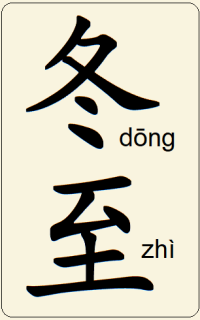
“Dōng zhì” more accurately means “winter peak” and marks the Winter Solstice—the day with the longest night of the year, especially in the northern hemisphere where China is located. On this day, the cold reaches its peak. After today, nights grow shorter, days grow longer, and the weather gradually becomes warmer—a surprising contradiction.
In case you are curious, there is also a Summer Solstice, which is the day with the longest daylight hours before the nights start getting longer.
Why the Chinese Winter Solstice Festival Falls on December 21?
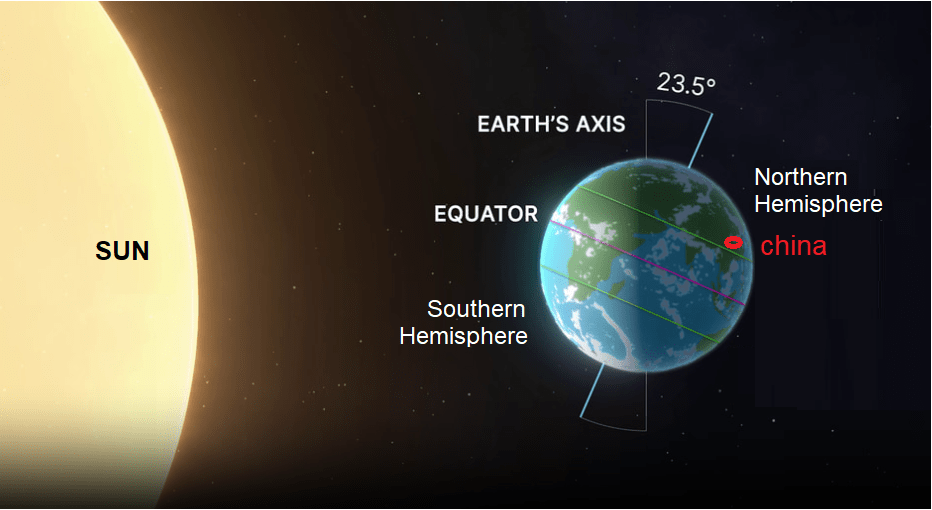
The Winter Solstice usually falls between December 21st and 23rd each year in the Gregorian calendar. This timing occurs because the Earth orbits the sun in an ellipse and its axis is tilted. These factors cause the point where the sun’s rays are directly overhead to move between the Tropic of Cancer and the Tropic of Capricorn. When the sun is directly overhead at the Tropic of Capricorn, the Northern Hemisphere experiences its shortest day of the year—this is the winter solstice.
What is Chinese Winter Solstice Festival, its origin and significance?
The Chinese Winter Solstice Festival ranks among the earliest solar terms established in the traditional Chinese twenty-four solar terms and serves as an important seasonal festival.
Ancient people established the Chinese Winter Solstice Festival by observing natural phenomena. As early as the Spring and Autumn Period, observers noticed the sun’s shadow and determined that the Winter Solstice marked the longest noon shadow and the shortest daylight of the year. They recognized it as the starting point of the twenty-four solar terms. The Zhou Dynasty treated the Winter Solstice as the beginning of the year. From the Han Dynasty onwards, people considered it a major festival, giving rise to the saying, “The Winter Solstice is as important as the New Year.”
The festival’s core significance centres on the “transformation of Yin and Yang.” Ancient people believed the Winter Solstice marked the turning point where “Yin reaches its extreme and Yang begins to emerge.” This event signalled the beginning of a new life for the sun and the natural cycle, symbolizing that prosperity follows adversity and filling people with hope.
Chinese Winter Solstice Festival Traditions: Celebrations, Rituals, and Folk Customs
As an important traditional season, the Chinese Winter Solstice Festival features celebrations and folk customs that differ between northern and southern China, yet all share the heartfelt practice of praying for blessings and good fortune.
Food customs play a central role, with people in the North enjoying dumplings and those in the South preferring “round dumplings.”
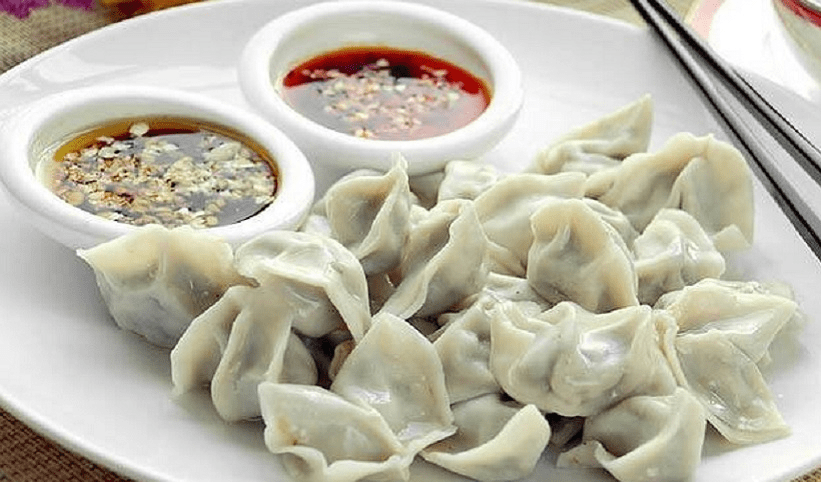
In the North, people generally believe that eating dumplings on the Winter Solstice prevents frostbite on the ears, as dumplings resemble “delicate ears.” According to legend, the medical sage Mr. Zhang Zhongjing created “Cold-Dispelling Dumpling Soup” to help people ward off the cold, inspiring this custom.
In the South, people enjoy eating glutinous rice balls, which symbolize family reunion and completeness. In some areas of Jiangnan, they call them “Winter Solstice Dumplings.” People in Suzhou brew wine for the season, while the South favors glutinous rice cakes and the North enjoys mutton. Each reflecting regional traditions for the Chinese Winter Solstice Festival.
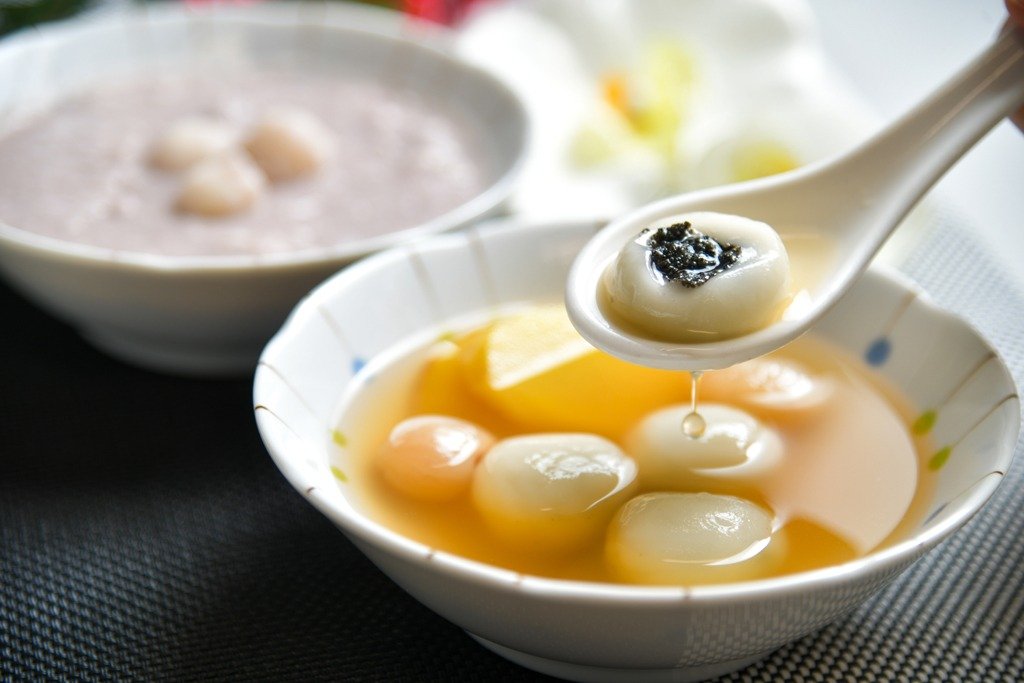
Dumplings and Tangyuan: The Symbolic Winter Solstice Foods
Dumplings and tangyuan serve as two warm dialects, expressing the same wish for reunion.
In the north, people shape dumplings like ingots or crescent moons, wrapping generous fillings of meat and vegetables in thin skins.
They eat these foods in the cold winter not just for the delicious taste, but also to honour the ancient tradition of “warding off the cold” and ensuring good health. Families knead the dough, prepare the filling, wrap the dumplings, and cook them together—the joyful process itself provides the best warmth to combat the harsh winter.
In the south, people celebrate the Chinese Winter Solstice Festival with tangyuan as the main dish. They make these soft, chewy, and sweet treats from glutinous rice flour, filling them with sesame, peanut, or red bean paste.
The round shape and the name, a homophone for “reunion,” symbolize family harmony and year-end unity. Families gather to make tangyuan, turning the preparation into a warm ritual on the Winter Solstice night. A bowl of steaming sweet tangyuan dispels the winter night’s chill and sweetens hopes for the coming year.
How Northern and Southern China Celebrate Chinese Winter Solstice Festival
The Chinese Winter Solstice Festival serves as a subtle microcosm of regional culture, showcasing diverse traditions that go beyond mere food.
Ancestor worship holds great importance at the core of family life in both the North and South. In the South, families hold solemn ceremonies in ancestral halls. While in the North, people burn incense and offer sacrifices to ancestors. These rituals help families remember their ancestors, strengthen family bonds, and embody the belief that “Winter Solstice is as important as the New Year.”
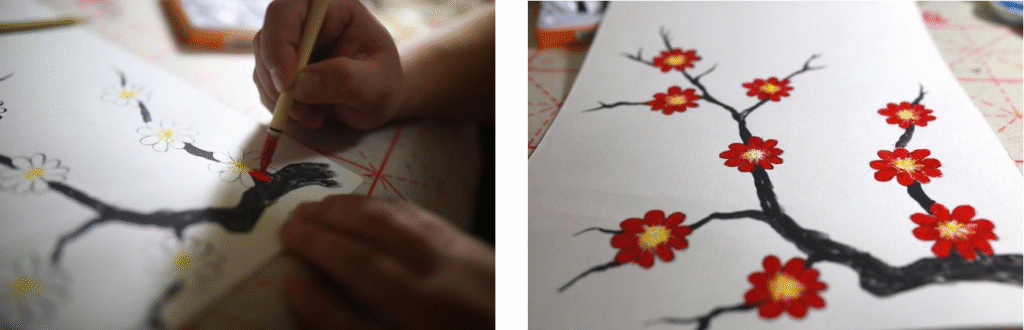
The elegant “Counting the Nine Cold Days” tradition prevails among folk customs. In the North, people fill in the “Nine-Nine Plum Blossom Chart” with red each day. While in the South, children orally pass down the “Count Nine-Nine Songs.” These artistic and folk song traditions transform the long winter into a counting process filled with anticipation for the return of spring
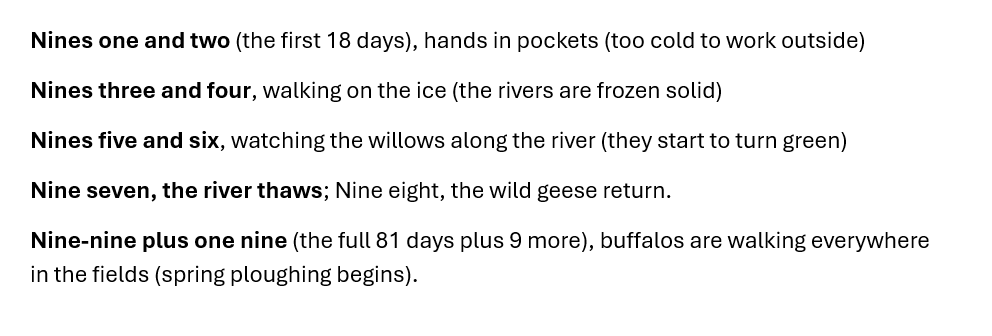
The "Counting the Nine Cold Days" Song
A widely circulated Chinese folk song, starting from the winter solstice, divides the year into nine periods of nine days each (“nine”), totaling nine “nine” periods (eighty-one days). This vividly depicts the changes in climate and phenology from the depths of winter to spring, and also carries the meaning of a multiplication table (the “nine-nine table”).
The “Nine-Nine Plum Blossom Chart"
Starting with the Ren day of the winter solstice, it divides winter into nine “nine-day periods”. The changes in temperature are recorded by filling in nine-stroke Chinese characters (such as “The willows in front of the pavilion cherish the spring breeze”), marking weather symbols (the rule being: top for overcast, bottom for sunny, left for wind, right for rain/snow), or drawing plum blossoms with petals colored daily (a total of eighty-one petals). This system combines meteorological observation with folk culture functions.
Simply put, folks believe that the Spring will arrive soon after the 81 days of marking ; Nine sets of nine days period
In the Jiangnan region, including water towns like Suzhou, families gather at night to drink “festival wine” and observe the winter solstice. In parts of Lingnan, communities preserve ancient activities such as “drying the winter sun” and blessing processions.
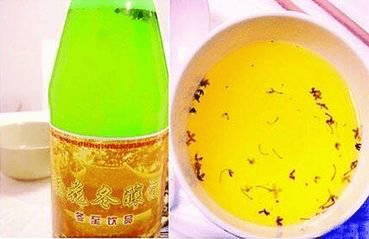
In the Jiangnan region, including water towns like Suzhou, families gather at night to drink “festival wine” and observe the winter solstice. In parts of Lingnan, communities preserve ancient activities such as “drying the winter sun” and blessing processions.
These diverse rituals and activities collectively shape the profound cultural landscape of the winter solstice. People do not simply ward off the cold; at this crucial juncture of the year’s yin and yang transition. They seek spiritual dialogue and harmonious coexistence among individuals, families, nature, and the natural order through introspection, gratitude, and anticipation.
Winter Solstice Celebrations Around the World: Global Traditions and Ancient Rituals
I once believed the winter solstice was exclusive to China, but I soon realized it is an astronomical phenomenon celebrated globally. Civilizations around the world recognize it as both a natural and spiritual milestone. Although people celebrate differently, they all share the core theme of welcoming light.
In Europe, many traditions blend with the Christian Christmas. The ancient Germanic peoples started the Nordic “Yule,” burning the “Yule log”—a symbol of the sun—and feasting to celebrate the return of light.
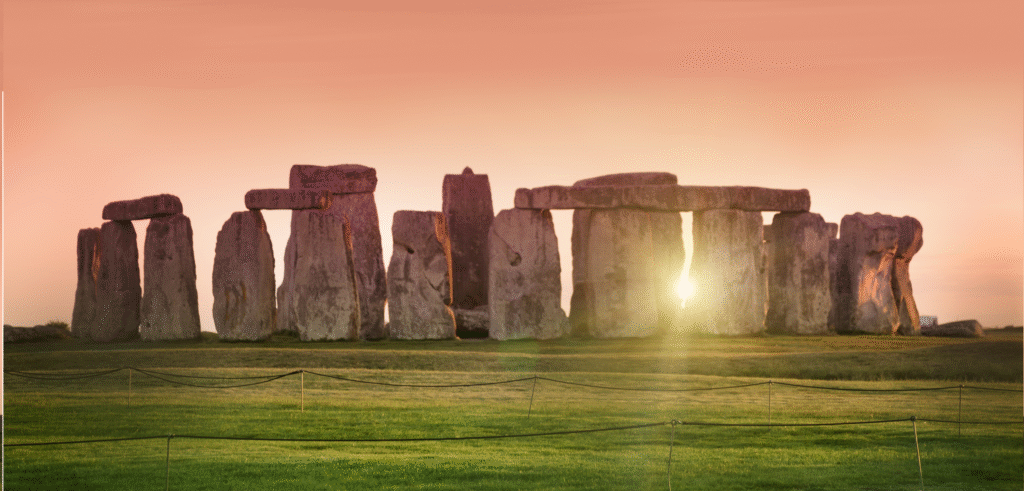
At Stonehenge in England, experts believe that builders precisely aligned the monument’s main axis with the sunrise direction on the winter solstice, showcasing ancient sun worship rituals.
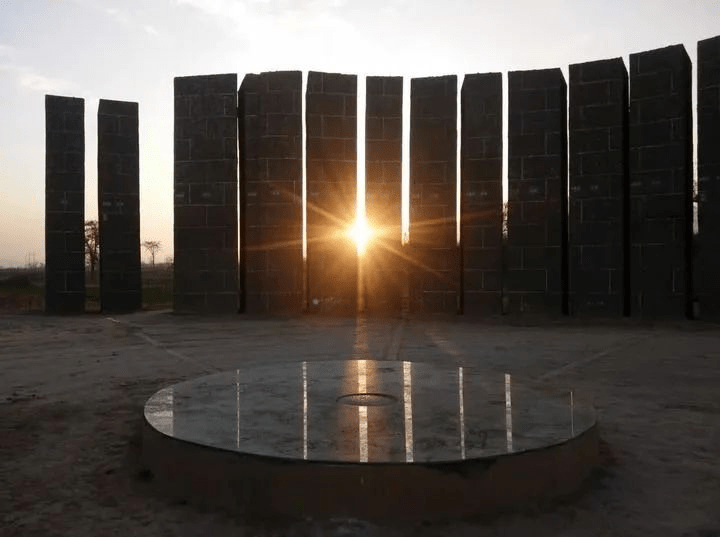
Do you remember the Taosi ancient observatory? which we discussed in our previous article “China Earliest Kingdoms.” It served a similar purpose: tracking the sun’s movement throughout the seasons and enabling people to identify the 24 solar terms.
In South America, the Inca Empire celebrated its grandest festival, “Inti Raymi,” in its capital, Cusco. The Inca king presided over the ceremony, praying to the sun god Inti to dispel darkness and bring a bountiful harvest. This solemn event echoes Eastern cultures’ reverence for the “beginning of yang energy.”
In East Asia, Japan calls the winter solstice “Hitamatsu” (Shortest Day) and practices taking “yuzu baths” to ward off evil and disease. In Korea, people refer to it as “Dongji,” another important solar term, and traditionally eat red bean porridge to drive away evil.
Across cultures, people light bonfires, build megaliths to face the sunrise, and hold solemn rituals—each act expressing humanity’s profound awareness of nature’s rhythms. Even in the deepest darkness, communities come together to pray for and welcome the rebirth of light through collective rituals.
The Chinese Winter Solstice Festival in Modern Society
In modern society, the Chinese Winter Solstice Festival has shed many of its ancient sacrificial practices, yet its warm core remains highly relevant. The festival now emphasizes family warmth and cultural roots. People make every effort to return home on this day, even if only to share a meal and wish each other good health. In doing so, they uphold the traditional meaning of “reunion.”
At the same time, people enjoy revisiting ancient wisdom such as “counting the nine periods of winter” and “measuring the sun’s shadow,” turning this ancient solar term into a spiritual landmark. It becomes a symbol of cultural identity and a source of peace and tranquillity in fast-paced urban life.
How I Celebrate the Chinese Winter Solstice Festival
Every year, my wife and I prepare Tongyuan with our children, embracing the spirit of reunion. More importantly, we actively inherit our traditional culture and honor its significance, just as my parents did for us.
When possible, we will do our best to reunite with my parents and siblings. This is the arrangement we will make for this year.
Chinese Winter Solstice Festival Summary
In summary, the Chinese Winter Solstice Festival reflects ancient wisdom. Based on the longest shadow cast by the sun, it signals the shift from extreme Yin to the start of Yang.
This festival goes beyond food and place. At its core, it honours nature’s rhythms, celebrates family reunions, and affirms faith in the return of light—all central to Chinese culture.
From ancient sacrifices to modern gatherings, the Chinese Winter Solstice Festival unites people across seasons and generations. It keeps hope alive on the longest night of the year.
As this story comes to an end, may the spirit of love, peace, and togetherness fill every heart— wishing everyone a happy Winter Solstice and a Merry Christmas.