“Food is the primary need of the people” (民以食为天). This phrase captures how food is more than a means of survival; every grain of rice and bowl of porridge sustains life and preserves the legacy of civilization. China boasts one of the world’s richest and most diverse culinary heritages.
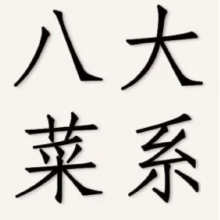
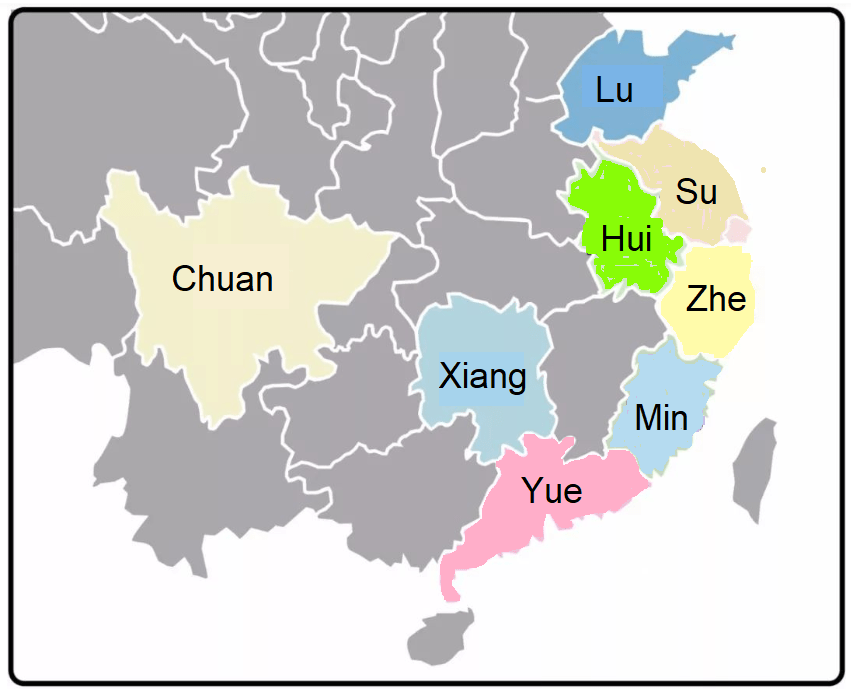
In general, China recognizes Eight Major Cuisines : Chuan, Yue, Lu, Su, Zhe, Min,Xiang, and Hui. Today, we will explore all Eight Major Cuisines of China, uncovering their stories and histories.
The Chinese Cuisines
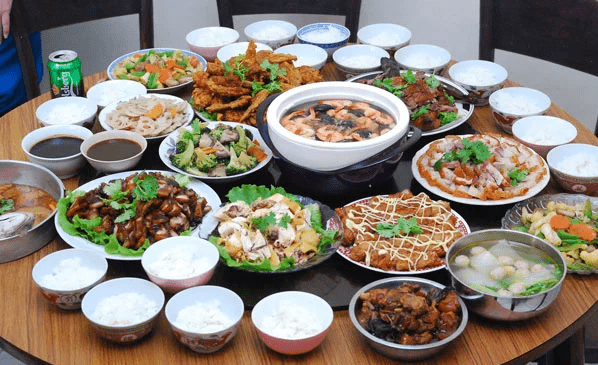
Unlike Western dining culture, Chinese meals (Han meal culture) place main dishes in the middle of the table for everyone to share with rice. Today, we focus on this main dish style. The grandest example is the reunion dinner on the eve of Chinese New Year
Across China’s vast landscape, each region has developed distinct cooking traditions that reflect local ingredients, climate, and culture. People collectively refer to these regional styles as the Eight Major Cuisines of China:
Chuan (Sichuan) 川 Yue (Cantonese) 粤
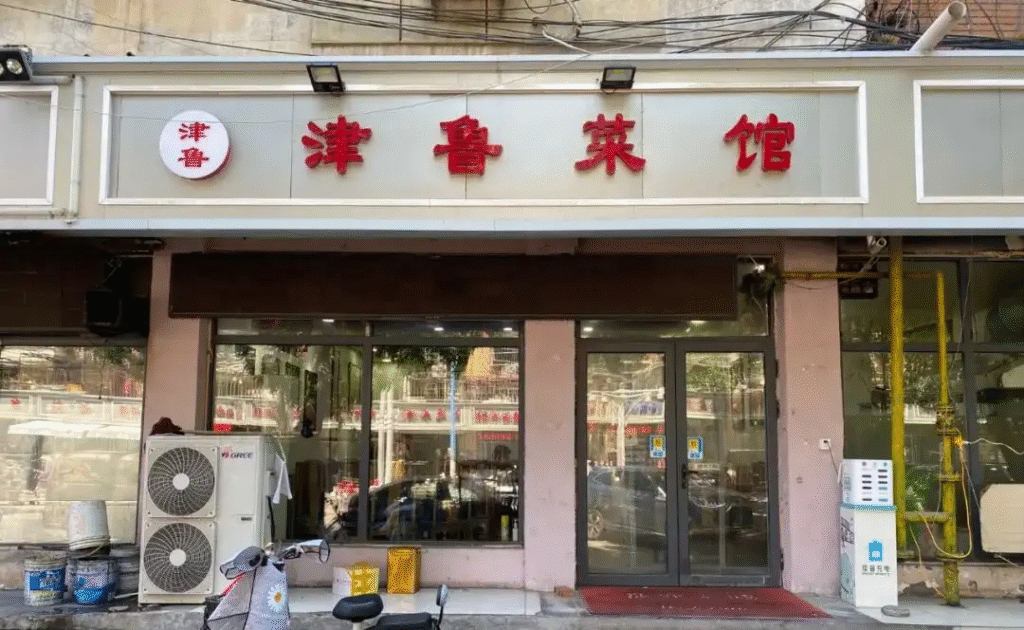
Lu (Shandong) 鲁 Su (Jiangsu) 苏
Zhe (Zhejiang) 浙 Min (Fujian) 闽
Xiang (Hunan) 湘 Hui (Anhui) 徽
The Popular Chinese Cuisine
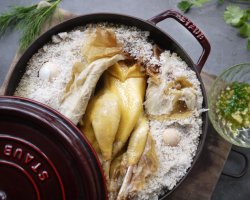
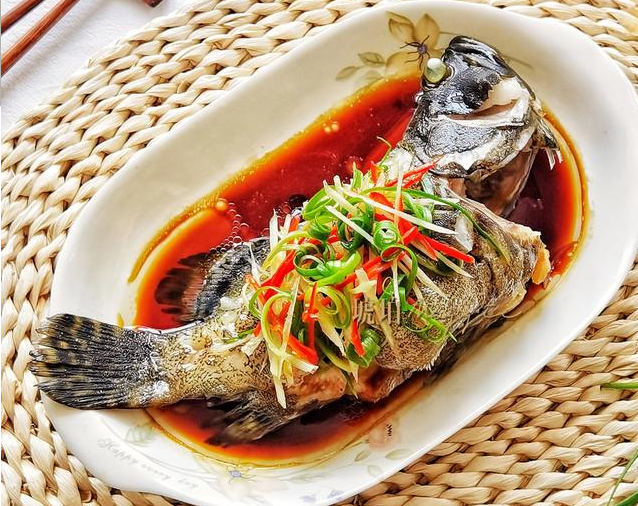
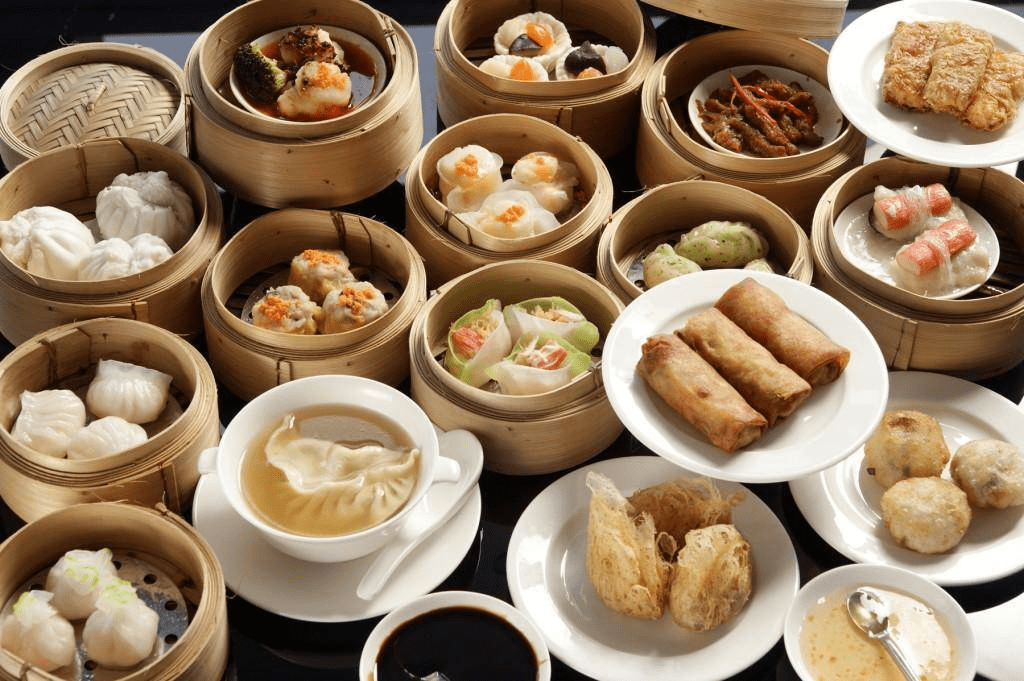
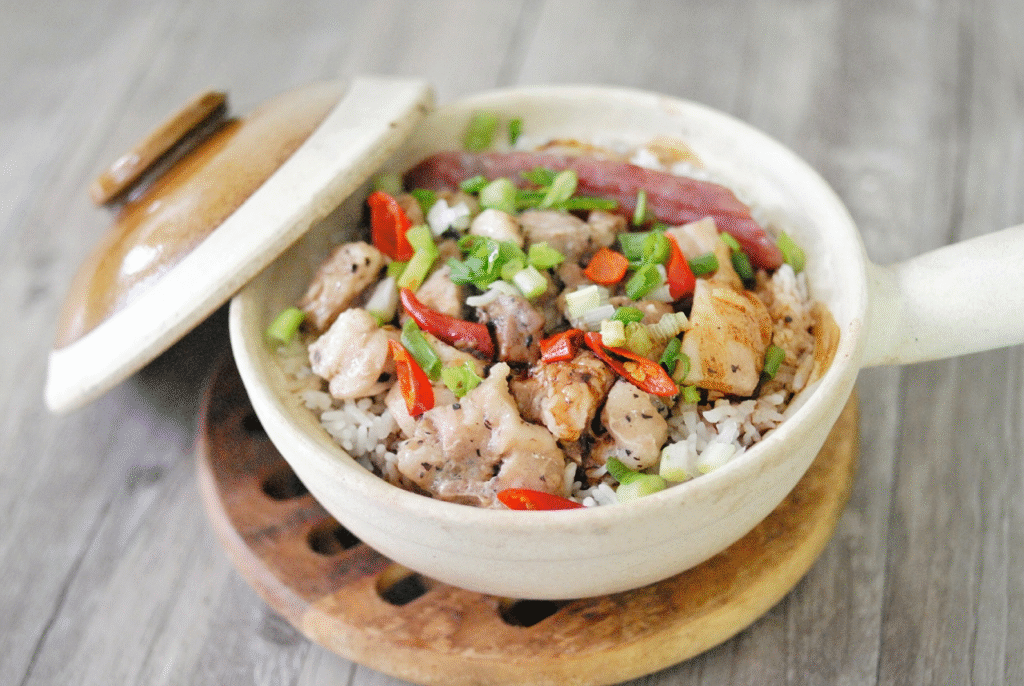
All over the world, Chinese restaurants serve famous and popular delicacies. You may have tasted salt baked chicken (盐焗鸡), Steamed Grouper (清蒸石斑鱼), and Claypot rice (煲仔饭). Of course, you may also enjoy Dim Sum (点心).
You have probably tasted many varieties of Chinese cuisine, but what if I tell you that all the above dishes belong to only One of the Eight major cuisine. In fact, they all come from Yue Cuisine (Cantonese).
Chinese cuisine is too vast to fit into simple categories, but today we will try to understand more by starting with the Eight Major Cuisines of China. Each cuisine tells a story of history, geography, taste, and innovation as they come together on the Chinese table.
Eight Major Cuisines of China
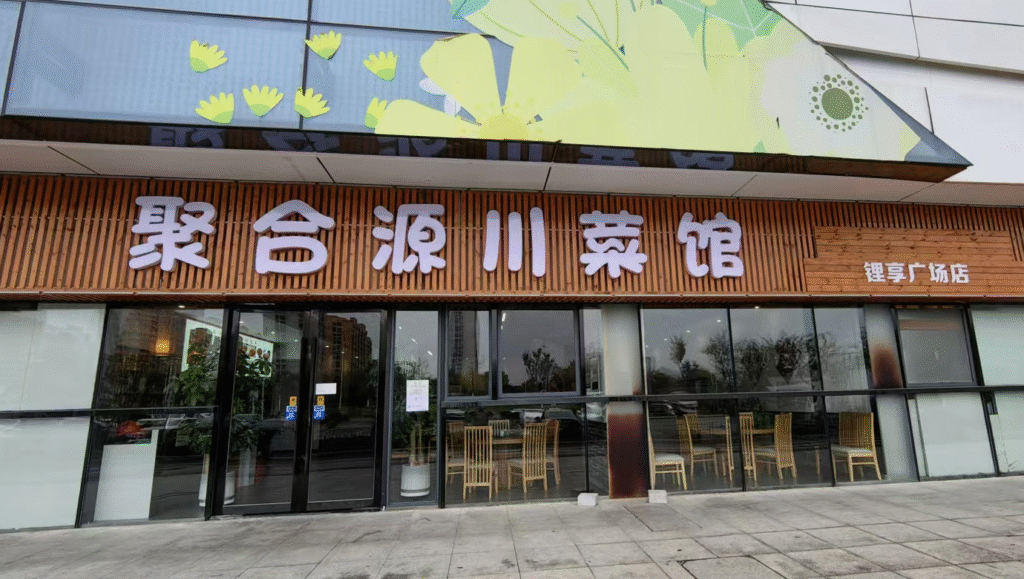
1. Sichuan Cuisine (川菜): a Street-Like Passion
Sichuan cuisine is renowned worldwide for its signature spicy and numbing flavor, but its essence goes far beyond this. It is the most vibrant and inclusive cuisine of its kind.
Flavour Core: Complex flavour profiles define its essence, earning Sichuan cuisine the reputation that “each dish has its own unique style, and a hundred dishes have a hundred flavours.
In addition to spicy and numbing notes, over 24 flavour profiles—including fish-flavoured, strange-flavoured, and hot-and-spicy—each deliver their own distinct charm. Seasonings such as Pixian fermented bean paste, pickled peppers, and Sichuan peppercorns conduct a symphony of flavours.
Famous & Popular Dishes:
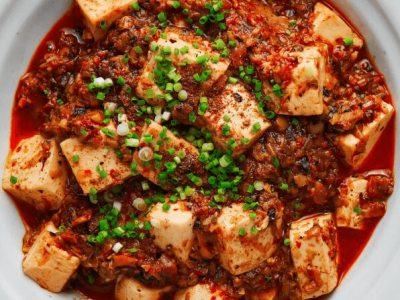
Mapo Tofu (麻婆豆腐): The Soul of Sichuan Cuisine. Combining the eight flavours of numbing, spicy, hot, fragrant, crispy, tender, fresh, and vibrant, this dish is a perfect accompaniment to rice, showcasing the boldness and delicacy of Sichuan cuisine to its fullest.
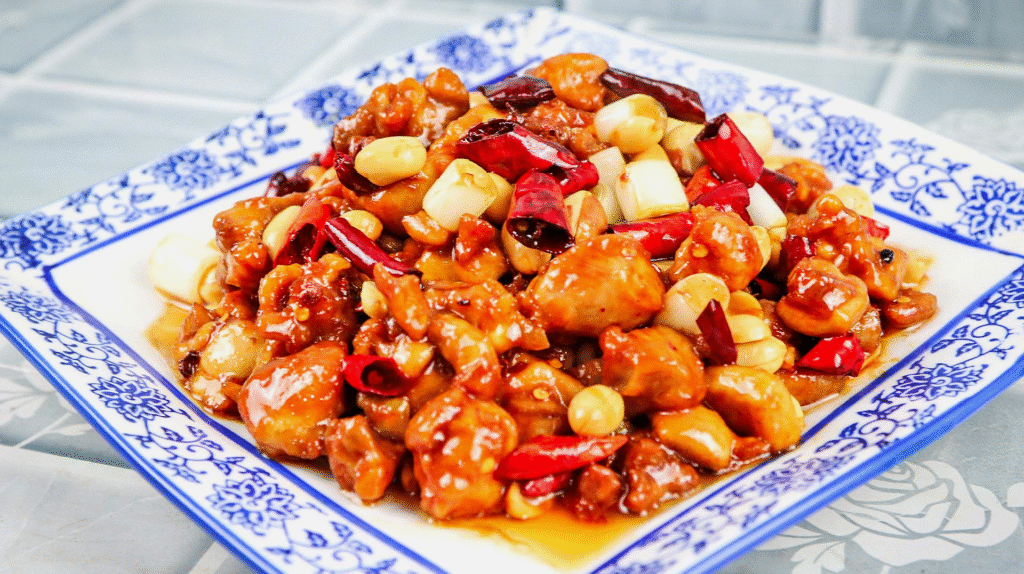
Kung Pao Chicken (宫保鸡丁): A representative dish of the spicy lychee flavour. It has a sweet and sour taste, followed by a slightly spicy aftertaste. The crispy scallions and peanuts complement the tender chicken, creating a distinct layered experience.
Cultural Connotations: Sichuan cuisine radiates everyday vitality and optimism. Its “hundred flavours” philosophy showcases the Sichuanese people’s adaptability and wisdom as they transform the ordinary into the extraordinary.
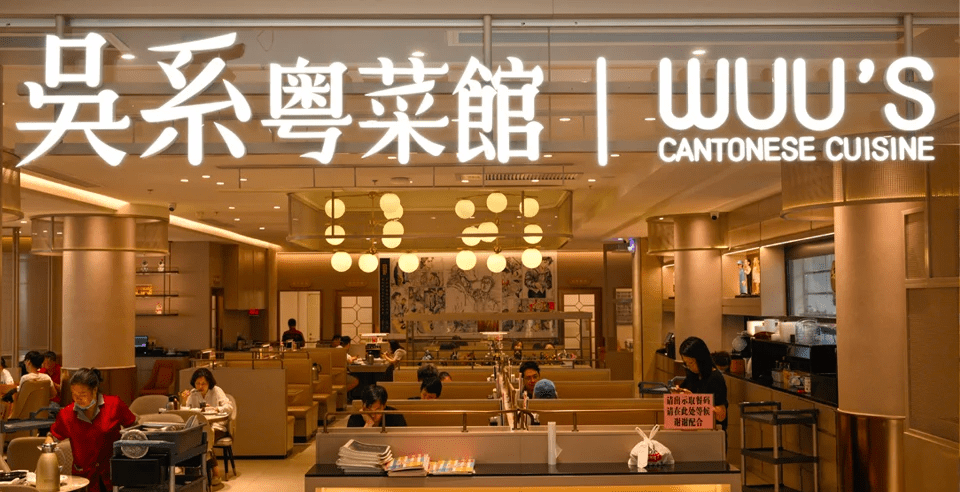
2. Cantonese Cuisine (粤菜): The Elegant Lingnan Charming
Cantonese cuisine originated in Lingnan, adjacent to the South China Sea. It stands as one of the most open and innovative cuisines, utilizing a wide and diverse selection of ingredients and always striving to achieve their true flavours.
Core Flavour: Freshness, tender, and smooth. Extreme emphasis is placed on heat control and the freshness of ingredients, using techniques such as steaming, blanching, and stewing to bring out the natural flavours of the food. Traditional soups and health-promoting porridges epitomize its culinary philosophy.
Famous & Popular Dishes :
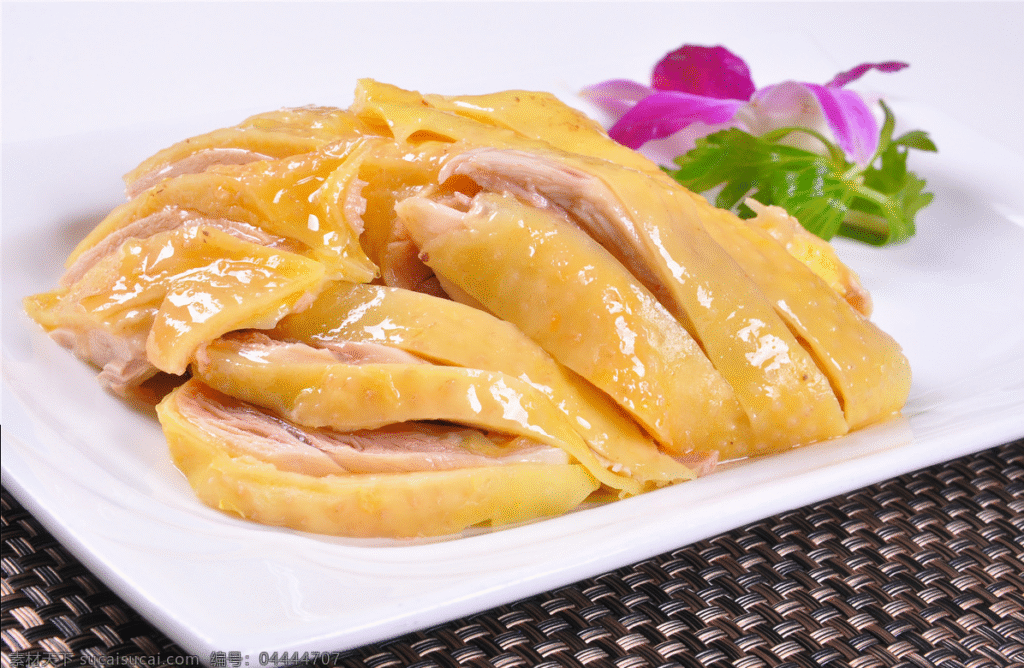
White-cut chicken (白切鸡) : A touchstone of Cantonese cuisine. While seemingly simple, it relies on meticulous attention to detail, including the type of chicken, the cooking temperature, and the dipping sauce. The resulting dish boasts crispy skin, tender meat, and authentic flavour, exemplifying the concept of “great flavour in a subtle way.”
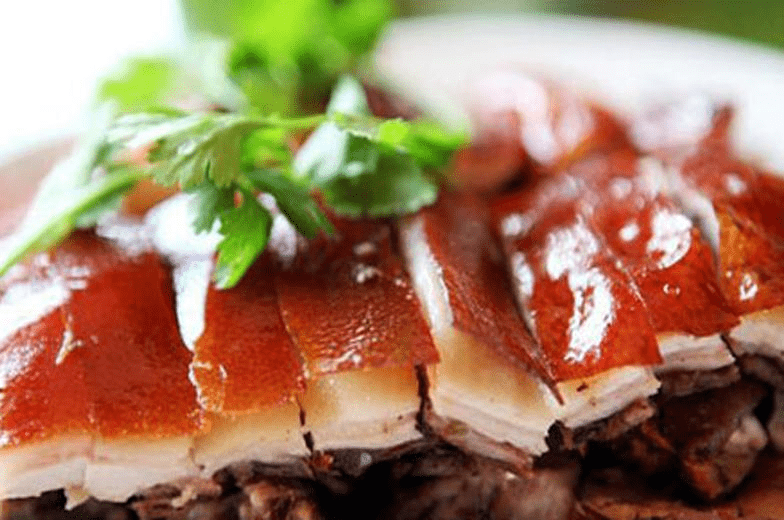
Roasted suckling pig (烤乳猪) : A banquet appetizer. Its glass-like skin, juicy meat, and vibrant red colour are a symbol of both celebration and nobility.
Cultural Connotations: Cantonese cuisine embodies the Lingnan culture of “inclusiveness” and “pragmatism.” The philosophy of “eating in season” is deeply rooted in a respect for and adaptation to nature.
3. Shandong Cuisine (鲁菜): Flavour of the Imperial Style
Shandong Cuisine originated in the lands of Shandong and represents northern Chinese cuisine. It formed the foundation of imperial court cuisine during the Ming and Qing dynasties and exudes a solemn, majestic “official aura.”
Core Flavour: Shandong cuisine features primarily salty and Savory flavours that are rich and authentic. Chefs pay meticulous attention to heat control and excel at “stir-frying” and “collapse” techniques, creating crisp, tender, and refreshing dishes. The soul of the cuisine lies in its broths, which chefs craft to be clear, rich, and creamy, enhancing the flavour and elevating the palate.
Famous & Popular Dishes :
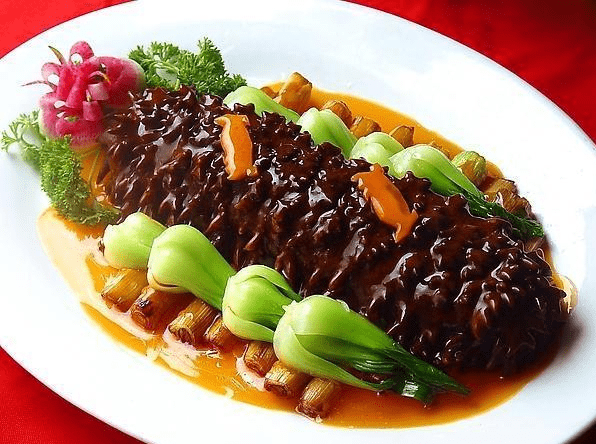
Scallion-Braised Sea Cucumber (葱烧海参): Shandong chefs combine the charred aroma of scallions with the soft, glutinous texture of sea cucumber to create a rich, juicy, and flavorful dish—the ultimate expression of Savory flavours.
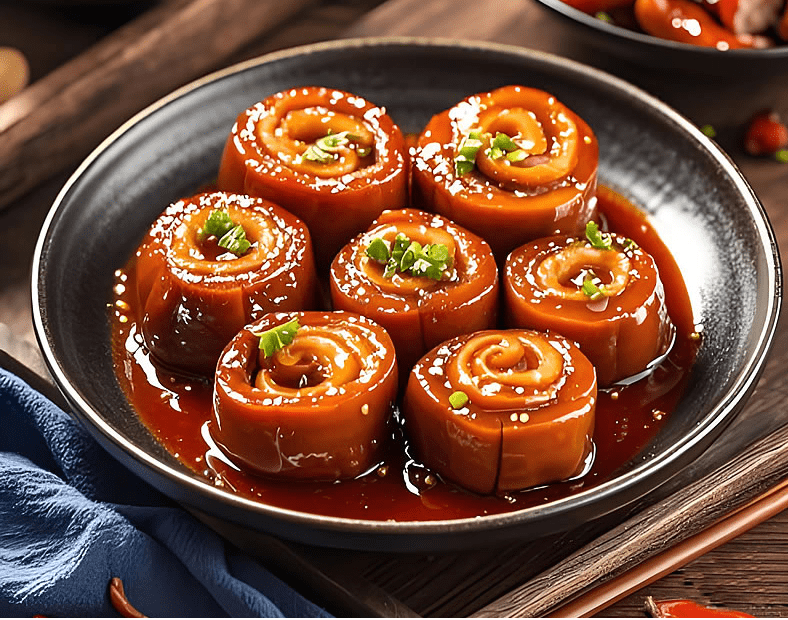
Nine-Turn Large Intestine (九转大肠): Chefs process pig intestine through blanching, boiling, frying, and roasting, blending the five flavours—sour, sweet, bitter, spicy, and salty—to create a profound and rich taste.
Cultural Connotation: Shandong cuisine embodies the spirit of moderation, peace, and ritual from the birthplace of Confucian culture. It presents a taste that is simple, elegant, and steeped in rich tradition.
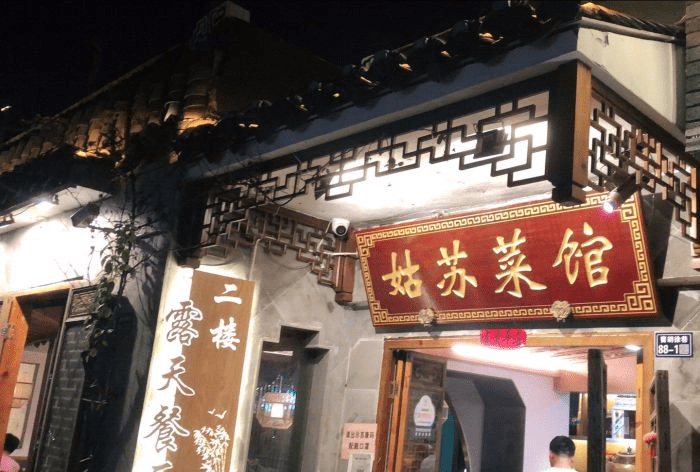
4. Jiangsu Cuisine (苏菜): The Exquisite Cutting Skills:
Jiangsu cuisine, inspired by the literati of the Jiangnan water towns, showcases refinement and elegance. Its core, Huaiyang cuisine, frequently appears at state banquets and earns renowned for its balanced flavours and exquisite presentation.
Core Flavour: Jiangsu chefs create a balanced, fresh, and slightly sweet flavour. They demonstrate unparalleled knife skills, slicing a block of tofu into strands as thin as hair (Wensi Tofu/ 文思豆腐 ) and transforming a fish into the shape of a squirrel (Squirrel Mandarin Fish). These chefs skilfully stew, braise, and simmer dishes until they become tender, falling free from the bone without losing their shape.
Famous & Popular Dishes :
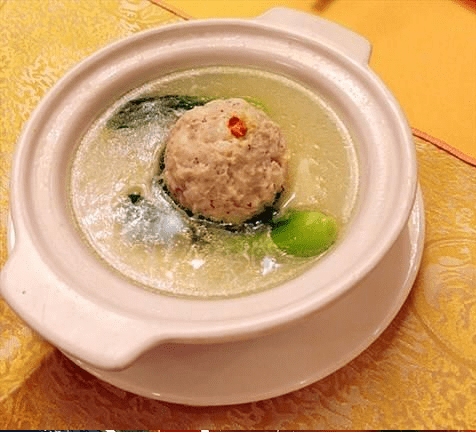
Braised Lion’s Head with Crab Roe (清炖蟹粉狮子头): Don’t worry, it’s not real lion meat. Instead, the chef cooks crab meat to a tenderness that rivals tofu, and creates a clear broth that melts in your mouth—a perfect combination of cooking and seasoning.
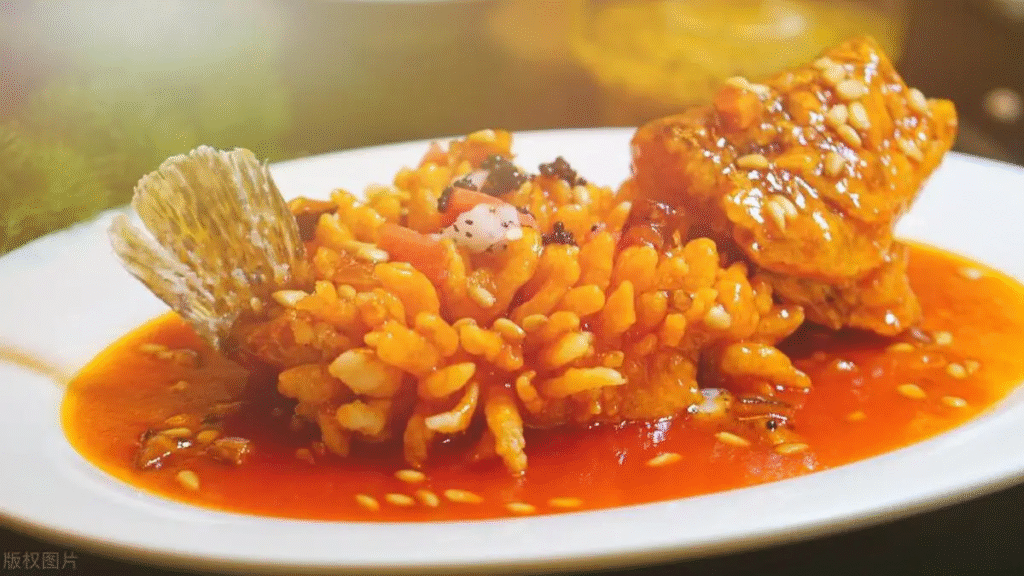
Squirrel Chinese perch (松鼠鳜鱼) : This dish does not use squirrel meat; instead, the chef shapes the fish in a vibrant form. When the chef pours sweet and sour sauce over the crispy, fried fish, the dish sizzles with lively aroma, fragrance, and sound.
Cultural Connotations: Su cuisine, shaped by the aesthetics of Jiangnan literati, achieves a harmonious unity of colour, fragrance, taste, form, and utensils, and evokes poetic and picturesque beauty.
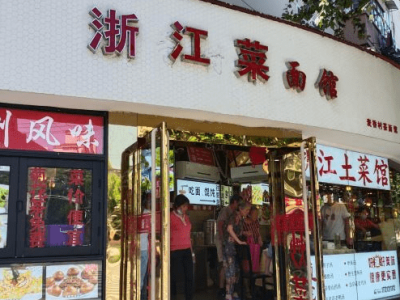
5. Zhejiang Cuisine (浙菜): Poetic and Authentic Flavors
Zhejiang cuisine, like Jiangsu cuisine, exemplifies Jiangnan-style dishes but offers a more refined and poetic quality that evokes the West Lake landscape. Chefs emphasize seasonality and highlight the natural flavours of fresh ingredients.
Core Flavour: Fresh, tender, and refreshing. Delicately prepared, it emphasizes light use of oil, starch, and sauce, pursuing a state of “light elegance.” The dishes are exquisitely presented, with a profound artistic conception.
Famous & Popular Dishes :
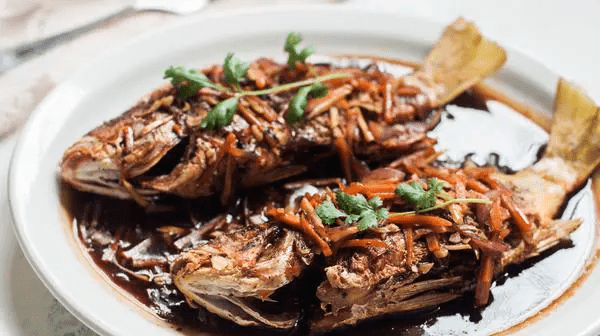
West Lake Fish in Vinegar Sauce (西湖醋鱼): Cooked without oil, relying solely on sugar, vinegar, and ginger to bring out the delicate flavour of fish and crab meat. This requires the utmost freshness of the fish and precise control of the cooking time.
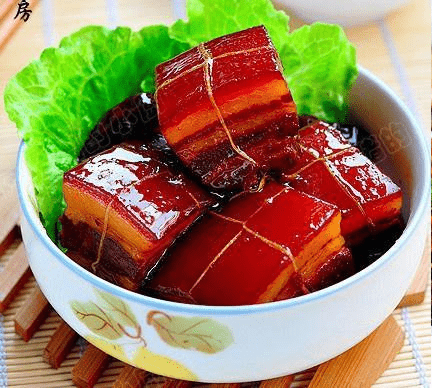
Dongpo Pork (东坡肉) : Slow-cooked over low heat, it boasts a bright red colour, is rich yet not greasy, and melts in your mouth—a quintessential example of refined cuisine.
Cultural Connotations: Zhejiang cuisine, a continuation of the scholar-official culture of the Song Dynasty, deeply blends food with the refined tastes of the literati, imbued with a refreshing scholarly air.
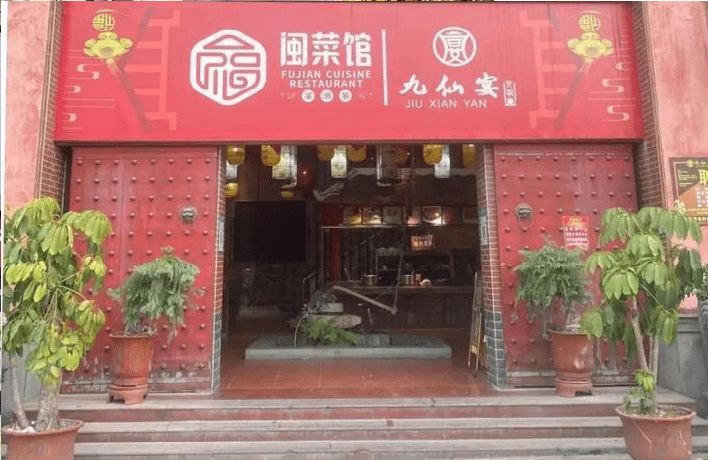
6. Fujian Cuisine (闽菜): The Flavors of Freshness Soups
Nestled between mountains and seas, Fujian cuisine showcases its fresh ingredients, and chefs craft exquisite broths that form the very soul of the cuisine.
Core Flavour: Sweet, sour, and light, it utilizes red fermented rice and shrimp oil for seasoning. The saying “one soup, ten variations” captures the exquisite craftsmanship of this soup. The knife skills are equally exquisite, with “carving the flower like a lychee” being the standard.
Famous & Popular Dishes :
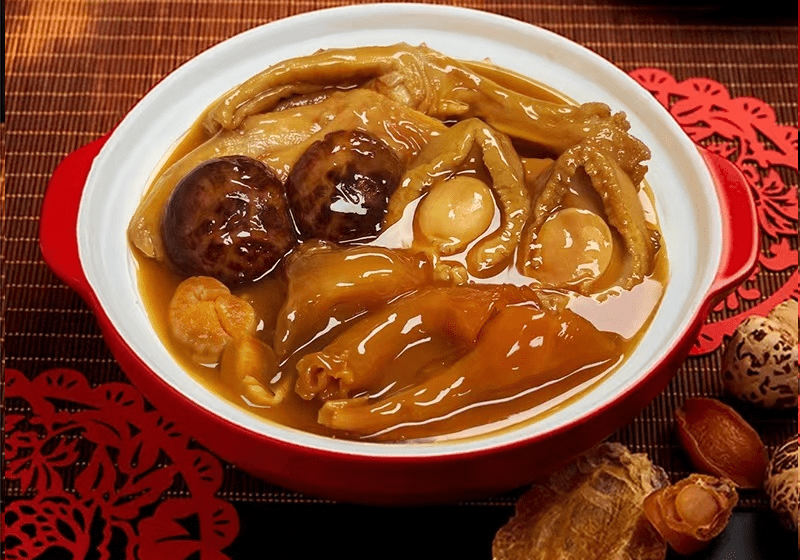
Buddha Jumps Over the Wall (佛跳墙): The pinnacle of Fujian cuisine. This dish combines dozens of delicacies from land and sea in a single jar, simmered gently with broth and aged wine. The aroma of meat permeates the jar upon opening, and its rich flavour is worthy of the saying. The name comes from its irresistible fragrance—said to be so enticing that even the Buddha would jump over a wall to taste it. Emm… I have no comment on this.
Lychee Meat (荔枝肉): This dish features pork shaped to resemble a lychee. It offers a sweet and sour flavour with a crisp texture, showcasing the chef’s masterful knife skills and seasoning.
Cultural Connotations: Fujian cuisine embodies the understated, pragmatic, and yet profoundly sophisticated character of the Fujianese people. While seemingly ordinary on the outside, the dishes are filled with meticulous craftsmanship and ingenuity.
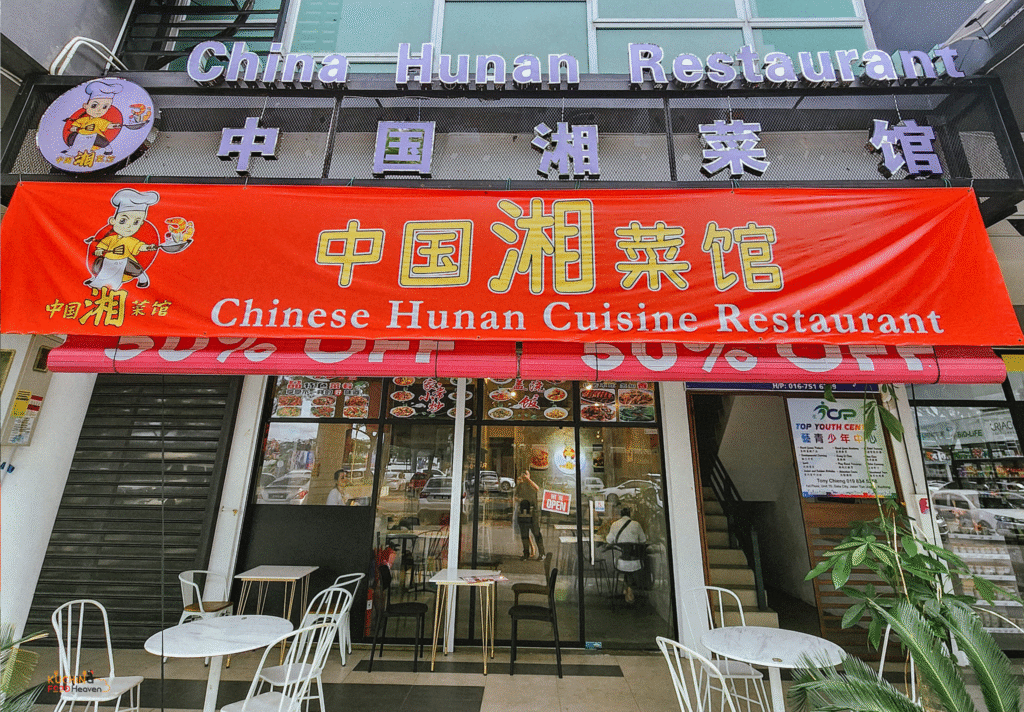
7. Hunan Cuisine (湘菜): Spicy Hunan Cuisine
Hunan cuisine delivers a distinctive spicy flavour. Unlike the numbing effect of Sichuan cuisine, Hunan dishes emphasize freshness, spiciness, and sourness, creating a rich and intense taste
Flavour Core: Hunan chefs create rich flavours, vibrant colours, and dishes with a heavy oil content. They use simmering, steaming, and stir-frying as key cooking techniques. Chili peppers define the dish, while fermented black beans and preserved meats build the flavour foundation.
Famous & Popular Dishes :
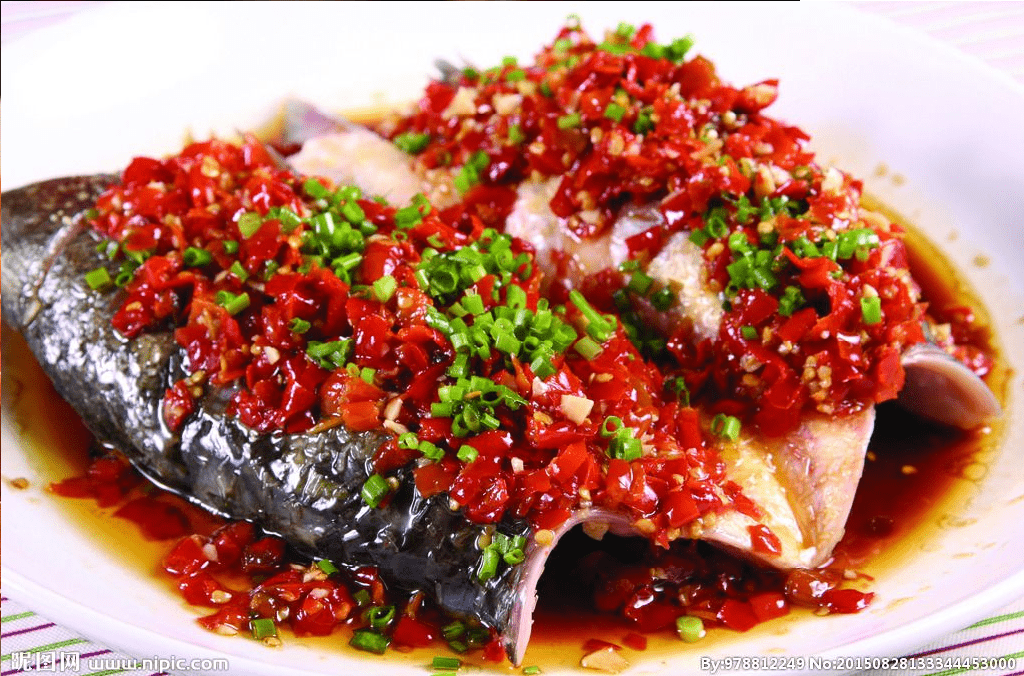
Chopped Pepper Fish Head (剁椒鱼头): This Hunan specialty pairs the vibrant flavour of fish head with the spiciness of chopped peppers, producing a fragrant aroma that perfectly complements rice.
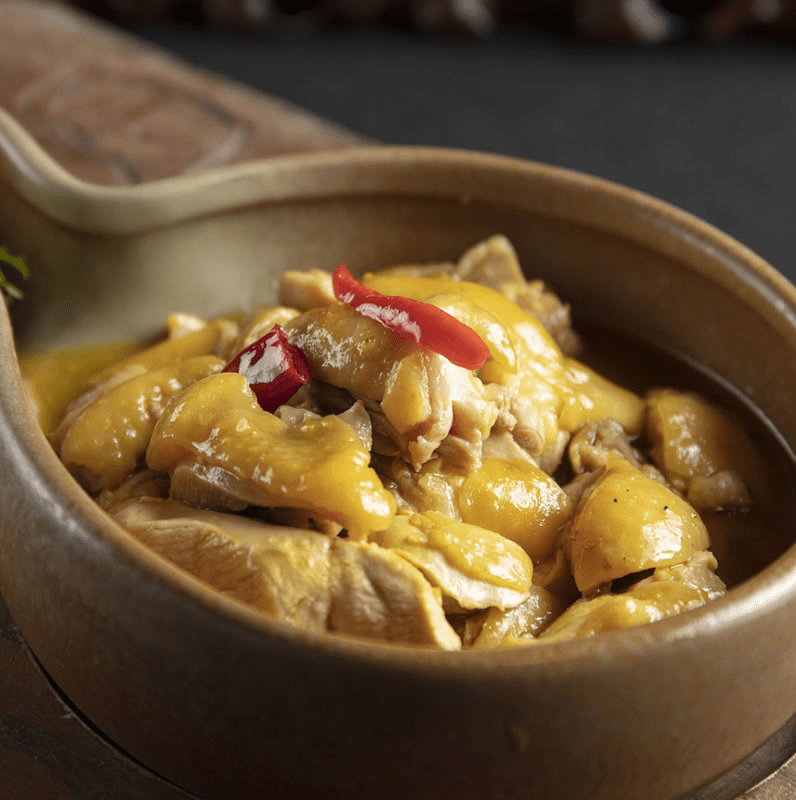
Dongan Chicken (东安子鸡): This dish features a long history and combines sour, spicy, and fragrant flavours with tender chicken, showcasing the profound depth of Hunan cuisine beyond its spiciness.
Cultural Connotations: The direct and intense flavours of Hunan cuisine reflect the unyielding character of the Humanise people.
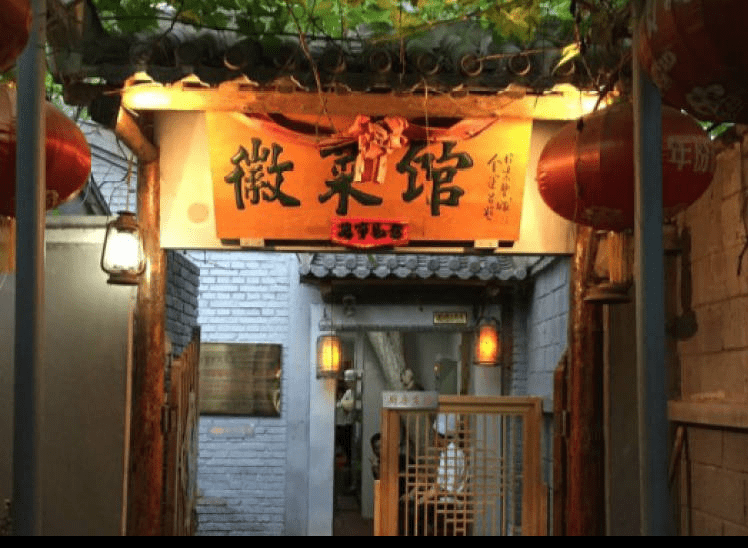
8. Anhui Cuisine (徽菜): The Heritage Unique Cooking Techniques
Hui cuisine originated in the ancient Huizhou mountains and was renowned for its merchants. It excels at preparing mountain delicacies, using heavy oils, rich colors, and intense heat.
Flavour Core: Chefs focus on precise cooking techniques, emphasizing “the right amount of heat.” They apply heavy oil to retain moisture during cooking and stewing. The result is a rich and mellow Flavour, with ham often enhancing the dish’s taste.
Famous & Popular Dishes :
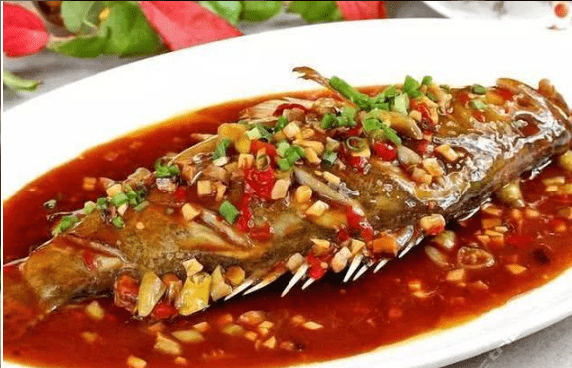
Stinky Mandarin Fish (臭鳜鱼): This signature Anhui dish undergoes a unique marinating and fermentation process that creates a scent neither stinky nor foul. Cooking gives the fish a firm, garlic-like texture and a distinctive aroma, showcasing how chefs transform decay into something magical. I tried this dish before; it wasn’t to my taste.
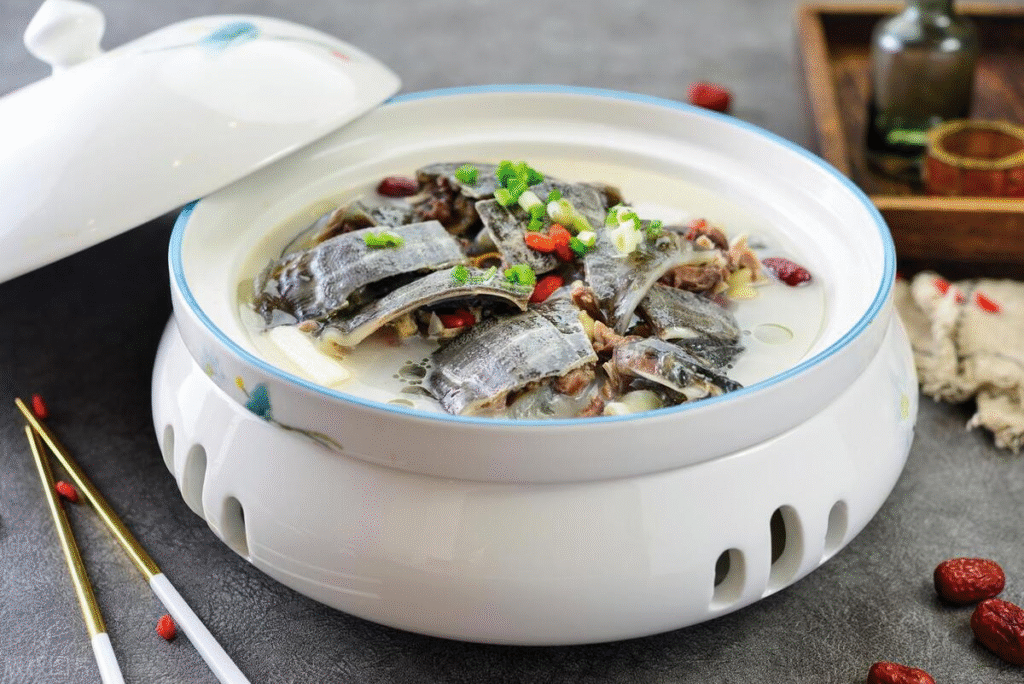
Ham-Braised Soft-Turtle (火腿炖甲鱼): Adventurous diners may want to try this. Chefs cook the turtle in a clear broth until the meat turns tender and sticky, producing a rich flavour that exemplifies expert technique and umami.
Cultural Connotations: Anhui cuisine reflects the culture of Huizhou merchants—unpretentious yet profound. Its flavours capture the rusticity and perseverance of the mountainous region.
Eight Major Cuisines of China- My Hakka Heritage and Sentiments
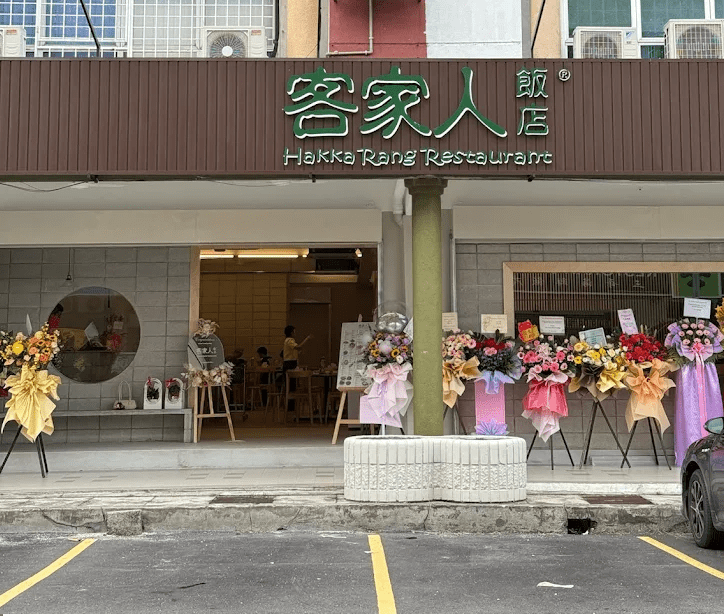
I am of Hakka descent. My ancestors came from the Guangdong/Lingnan Region, so our cuisine forms part of the broader Cantonese Cuisine (粤菜), one of the Eight Major Cuisines of China.
Nevertheless, Hakka delicacies stand apart from general Cantonese cooking. Hakka people speak their own dialect and carry a unique culture and set of traditions. Naturally, our food and cuisine are unique as well.
Hakka cuisine is well known for its “salty, fragrant, and fatty” flavours. Cooks use techniques like braising, stewing, and boiling to transform ordinary ingredients into rich, flavourful creations. My mom mastered these techniques and cooks authentic Hakka dishes that I love most. Their lasting taste always evokes memories for me.
Here are my two favourite Hakka dishes:
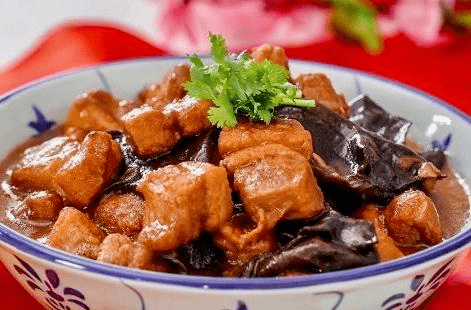
Hakka Braised Pork Belly / Braised Red Fermented Pork (南乳炸肉):
This braised pork belly dish is characterized as salty, fragrant and umami. The skill in this dish lies in the ability to cook the meat thoroughly without hardening it, and to naturally bring out the umami taste of the succulent pork belly. The braised sauce of this dish has a perfectly balanced sweet and savoury flavour.
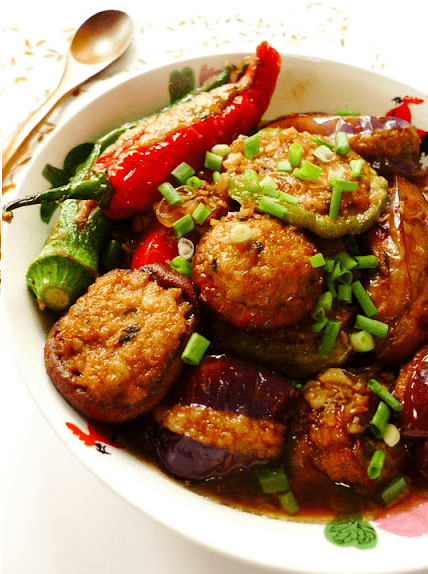
Hakka Yong Tofu / Hakka Stuffed Beancurd (客家釀豆腐):
Cooks stuff fresh meat into various types of tofu and vegetables such as chili, beancurd, and bitter gourd. They later fry these in oil, and sometimes cook them with special sauces. The result is salty and tasty, tender on the outside and fragrant on the inside.
Despite its name, Yong Tofu does not always use tofu; it refers to the Hakka tradition of stuffing (Yong) fresh meat into various carriers and cooking them well. Think of Kimchi, which refers to many different vegetables, or Sushi, a general term for a variety of similarly prepared foods. I believe you get my meaning.
Endless Varieties: The Rich Diversity of Chinese Dishes
I realize this topic offers so much to explore. Although I am nearing the end, I have found even more to write about than when I began. I will focus on the main points and avoid going too deep or lengthy.
In today’s topic, we focus to explore the main dish cooking styles—those dishes that fill up the table and are shared among everyone. We mainly categorize these dishes by geographical region. We should also remember that there are many other varieties of smaller portion foods and snacks, which taste delicious and carry cultural significance. We did not include that food in today’s topic.
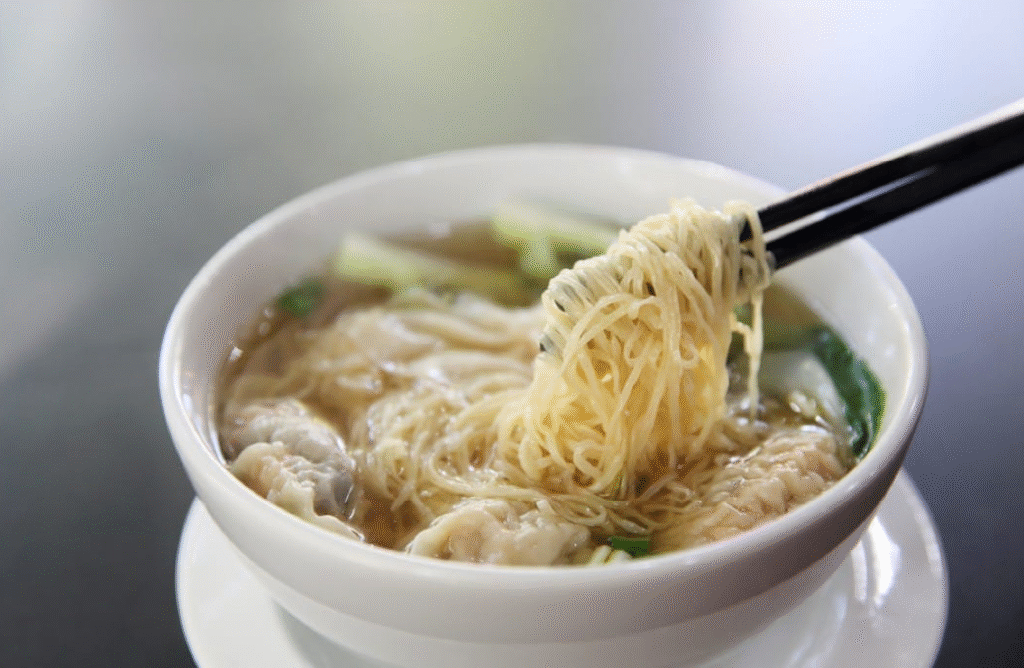
Perhaps you have already noticed that we have not covered a very important Chinese food— the noodles. Chinese noodles come in many varieties, depending on geography and ethnicity, but we will save that topic for a future article.
Summary for The Eight Major Cuisines of China
China’s eight major cuisines vividly reflect its culture and spirit of harmony. They blend flavours, unite nature and humanity, and showcase local diversity at the table. Savouring these dishes connects you to centuries of tradition and culture.
Try all the categories— your experience may be both rewarding and polarizing. You might discover your favourite and least favourite foods within the same category. I have tasted several dishes from each of the eight categories, and I encourage you to enjoy your journey.