On the night of the Chinese Mid-Autumn Festival, a bright moon hangs high in the sky, casting its radiant light upon countless homes. For generations, families gather to enjoy mooncakes, admire the moon, share the legend of Chang’e’s flight to the moon, and light lanterns. Today, let us together explore the Mooncake, Lantern to celebrate the Mid-autumn 2025
As one of China’s most important traditional festivals, the Mid-Autumn Festival embodies profound cultural connotations and national sentiments. Over centuries, communities have kept the festival alive, evolving its traditions and demonstrating strong cultural creativity.
When is the Mid-Autumn Festival 2025?
The 2025 Chinese Mid-Autumn Festival arrives in just a few days, on October 6th.
In case you wish to know, the next Mid-Autume Festival will be on September 25th, 2026. Now, let’s discover more about this romantic festival together.
What is the Mid-Autumn Festival?
The Mid-Autumn Festival, also known as the Moon Festival, Autumn Festival, or Reunion Festival, stands as one of China’s most significant traditional celebrations. Two main theories explain its origins, each reflecting profound cultural significance.
The first theory suggests that ancient emperors offered sacrifices to the moon. As early as the Zhou Dynasty, emperors performed rituals, offering sacrifices to the sun in spring and to the moon in autumn. Through these ceremonies, they prayed for a good harvest, peace, and prosperity for the country.
Nobles and scholars later followed the emperors’ example, admiring the moon and offering sacrifices during the Mid-Autumn Festival. Gradually, people across society embraced this custom and turned it into a lasting tradition.
The second theory centres on the agricultural custom of celebrating the harvest. In Chinese, the word “autumn” means “the season of ripening crops.” During the eighth month of the lunar calendar, farmers harvest a variety of crops and fruits. To celebrate and express their joy, they offer bountiful fruits and grains to the gods of the land and the moon on the fifteenth day, thanking nature for its gifts and praying for favourable weather and abundant harvests in the coming year.
Why is it chosen for the 15th day of the eighth lunar month?
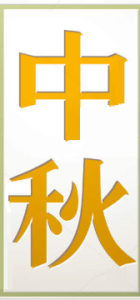
The eighth lunar month marks the second month of autumn, which ancient people called “Mid-Autumn” (仲秋). The 15th day sits at the heart of this season, giving the festival its name: “Mid-Autumn Festival” (中秋节). On this day, the autumn air feels clear and crisp, the sky appears light and cloudless, and visibility reaches its peak.
On this night, the moon shines at its fullest, brightest, and most beautiful. As the saying goes, “All twelve full moons are beautiful, but the fullest is Mid-Autumn.” Ancient nobles and scholars chose this day to admire the moon, while families gathered to celebrate reunion and togetherness under its glow.
The Mid-Autumn Festival through history and traditions
Ancient people in the Zhou Dynasty began the Mid-Autumn Festival by worshipping the moon. They observed the moon’s cyclical changes and connected them to agricultural production, which led to the tradition of autumn moon worship.
The Han Dynasty played a crucial role in shaping the Mid-Autumn Festival. At that time, society valued the interaction between heaven and man, so both the government and the people worshipped the moon as the essence of the yin. Every Mid-Autumn Festival, the Han royal family held moon worship ceremonies, set up incense tables, and offered mooncakes, watermelons, apples, and other gifts.
During the Tang Dynasty, the government officially designated the Mid-Autumn Festival as a national holiday. Tang poets extolled the moon in their works, like Li Bai’s famous line, “Looking up at the bright moon, looking down, I think of my hometown,” which linked the moon with homesickness. Literati made moon-viewing and feasting a popular trend during the Mid-Autumn Festival, and people began to appreciate the moon as an aesthetic object rather than a cult object.
The Mid-Autumn Festival peaked during the Song Dynasty. The wealthy decorated their terraces and pavilions, and ordinary people competed for restaurant spots to admire the moon. People gave mooncakes elegant names like “lotus leaf,” “golden flower,” and “hibiscus.” They not only enjoyed mooncakes as food but also exchanged them as popular gifts to express feelings of reunion.
During the Ming and Qing dynasties, people expanded Mid-Autumn Festival customs. They gave each other mooncakes as gifts to symbolize reunion. Customs such as appreciating the moon, eating mooncakes, and celebrating family reunions closely resembled those of today.
The Legend of Chang'e: The Mid-Autumn Festival Story
As always in our blog, we explore ancient myths and legends to uncover the complete story. This time, we focus on the legendary lady named Chang’e (嫦娥)
Chang’e stands among the most influential moon deities in ancient Chinese mythology, and her story resonates with profound cultural significance and emotional weight.
In ancient times, the hero HouYi shot down nine suns and received the elixir of immortality. When a thief tried to steal it, his wife Chang’e swallowed the elixir and ascended to the Moon, becoming the Moon Goddess.
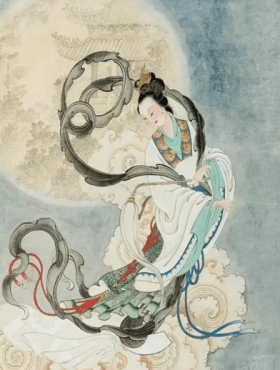
From that moment, Chang’e lived forever separated from her beloved husband. She spends her days with the jade rabbit (Yutu) pounding medicine, the cassia tree, and Wu Gang chopping trees, enduring eternal loneliness. (By the way, Wu Gang is part of another story we may explore in the future.)
Longing for his wife, Houyi sets up an altar on the full-moon night of August 15th, offering Chang’e her favorite honeyed foods and fresh fruits as a distant tribute. When the common people hear about his act, they also set up altars to pray for good fortune and peace from the kind-hearted Chang’e. This poignant love story infuses the Mid-Autumn Festival with romance.
According to legend, the Jade Rabbit (Yutu) voluntarily transformed into a white rabbit to accompany Chang’e after her banishment to the Moon. It spends its days pounding the elixir of immortality with a jade pestle, symbolizing purity and devotion. The rabbit’s gentle and kind nature not only eases Chang’e’s loneliness but also makes it a symbol of the Moon, reflecting the ancients’
China's Chang'e Lunar Exploration Program
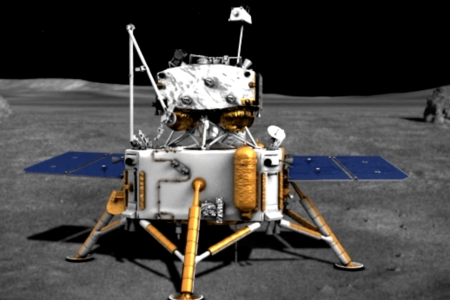
Interestingly, we often dismiss ancient myth legends as mere superstition, yet China’s space agency officially named its moon exploration program “Chang’e.”
This picture illustrates the Chinese “Chang’e 5” spacecraft that landed on the moon.
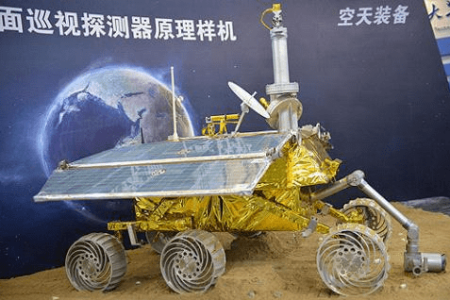
Another picture features the Chinese lunar rover named “Yutu,” which collects samples as it travels across the moon’s surface. Fittingly, the rover shares its name with the legendary jade rabbit. How about that ?
Making and Sharing Mooncakes (The Festival's Food)
People have shaped mooncakes, the iconic food of the Mid-Autumn Festival, through centuries of historical evolution and folk wisdom.
During the Tang and Song dynasties, people offered mooncakes alike during ancient moon worship rituals. A famous legend from the late Yuan and early Ming dynasties explains their deep connection to the Mid-Autumn Festival’s theme of reunion. During an uprising against the Yuan Dynasty, Zhu Yuanzhang used mooncakes to secretly communicate with rebels. They hid notes reading “Revolt on the Night of August 15th” inside the mooncake fillings and distributed them to rebels across the country.
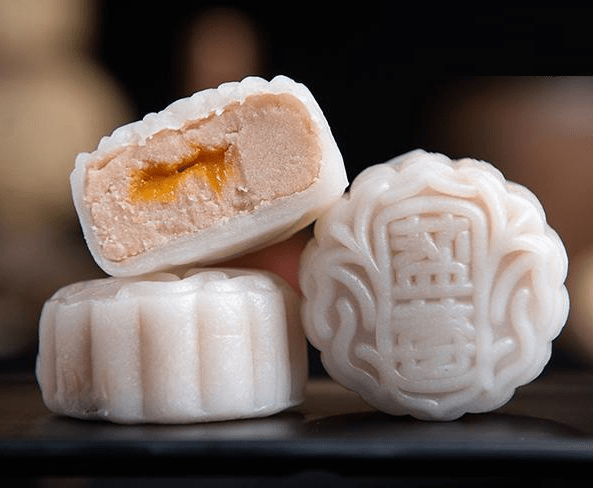
After the uprising succeeded, Zhu Yuanzhang commemorated the victory by officially designating the round cakes used to carry the message as a Mid-Autumn Festival food, naming them “Moon Cake” to symbolize reunion and victory. Since then, people have eaten mooncakes not only as a festival custom, but also to pray for reunion and honour wisdom.
Delicacies for the Chinese Mid-Autumn Festival
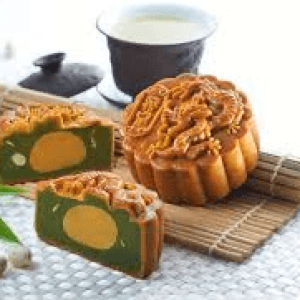
People consider mooncakes the core food of the Mid-Autumn Festival, and their round shape symbolizes reunion and happiness. Bakers create varieties ranging from sweet and mellow Cantonese to crispy and fragrant Suzhou to delicate and refined Beijing styles. They fill mooncakes with lotus seed paste, red bean paste, five-nut cakes, and a variety of innovative flavours.
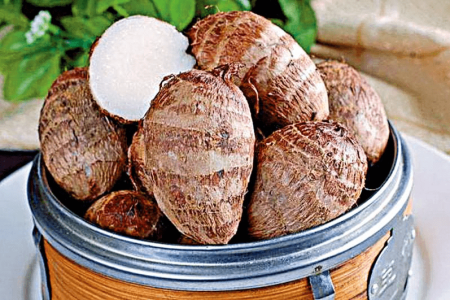
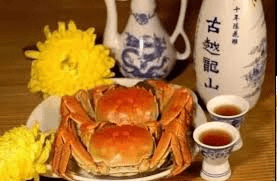
Furthermore, people across China celebrate with a rich variety of foods. In the Jiangnan region, families enjoy osmanthus wine and fresh lotus root to symbolize prosperity. In the south, they eat taro to ward off evil and calamity, and savor crab with rice wine as a seasonal autumn treat. Together, these delicacies let families share the joy of harvest, warmth, and ancient cultural memories, making the Mid-Autumn Festival a truly enduring experience.
Lighting Lanterns for the Mid-Autumn Festival
Now let’s explore another protagonist of the Mid-Autumn Festival: the lantern.
People have lit lanterns during the Mid-Autumn Festival since the Tang Dynasty, actively celebrating reunion and hope through this enduring folk tradition. and symbolizing “bright moon and blessings.”
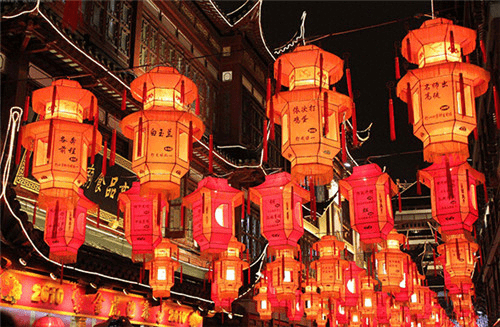
One theory links lantern lighting to moon worship: people craft lanterns and light candles to simulate moonlight, illuminating the way for those returning home at night and symbolizing “bright moon and blessings.”
During the Ming and Qing dynasties, artisans crafted increasingly sophisticated lanterns, turning them into a crucial festival tradition for family outings and children’s play. People release sky lanterns (Kongming lanterns) to make wishes or write wishes on river lanterns and let them drift, actively expressing their hopes for a bright future.
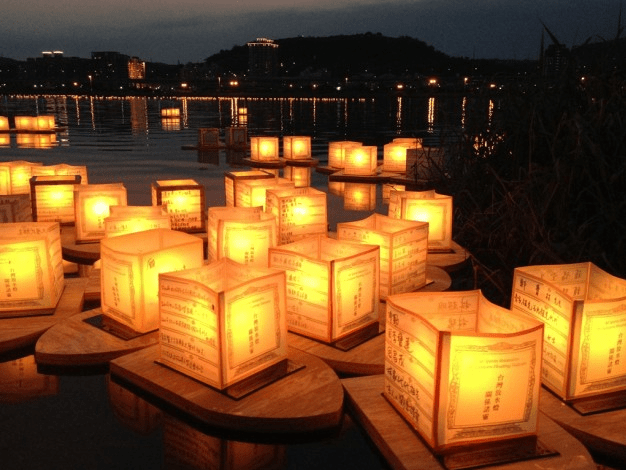
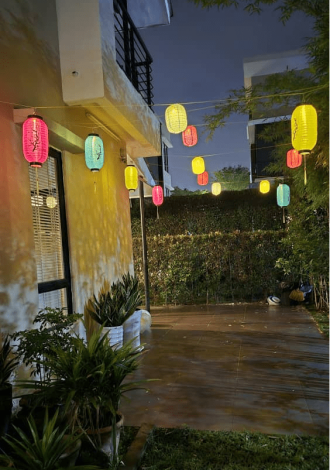
Today, people display colorful lanterns to embellish the festive nightscape and carry on the ancient cultural mission of illuminating reunion while praying for light and peace.
Chinese Lantern Styles: Traditional and Modern Varieties
Artisans create Mid-Autumn Festival lanterns in a wide variety of forms, blending traditional craftsmanship with folk wisdom and making them a key symbol of the festival.
Mid-Autumn Festival lanterns can be primarily categorized as follows:
Traditional Lanterns: These include classic round and octagonal palace lanterns, symbolizing perfection and good fortune; adorable rabbit lanterns, evoking the legend of the Jade Rabbit in the Moon Palace and beloved by children; and lanterns imitating auspicious motifs such as lotus flowers and fairy peaches.
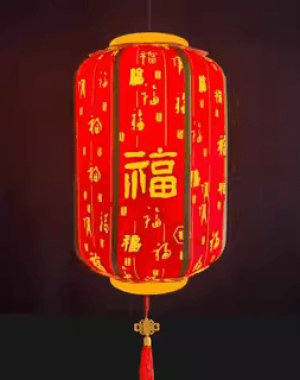
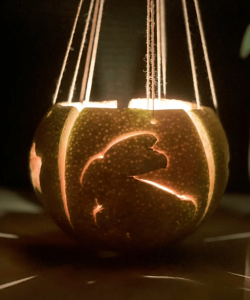
People in southern China carve pomelo peel lanterns from natural pomelo shells, filling the air with a refreshing fragrance. In Guangdong, artisans craft colorful lanterns renowned for their exquisite, ornate designs that often feature dragons, phoenixes, flowers, and birds.
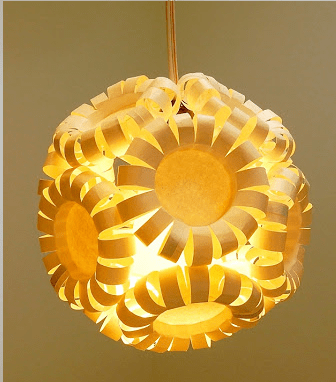
Today, people create cartoon-shaped lanterns and electronic projection lanterns from materials like reusable paper, plastic, and LED strips. These modern lanterns preserve the festive atmosphere while adding a touch of contemporary flair.
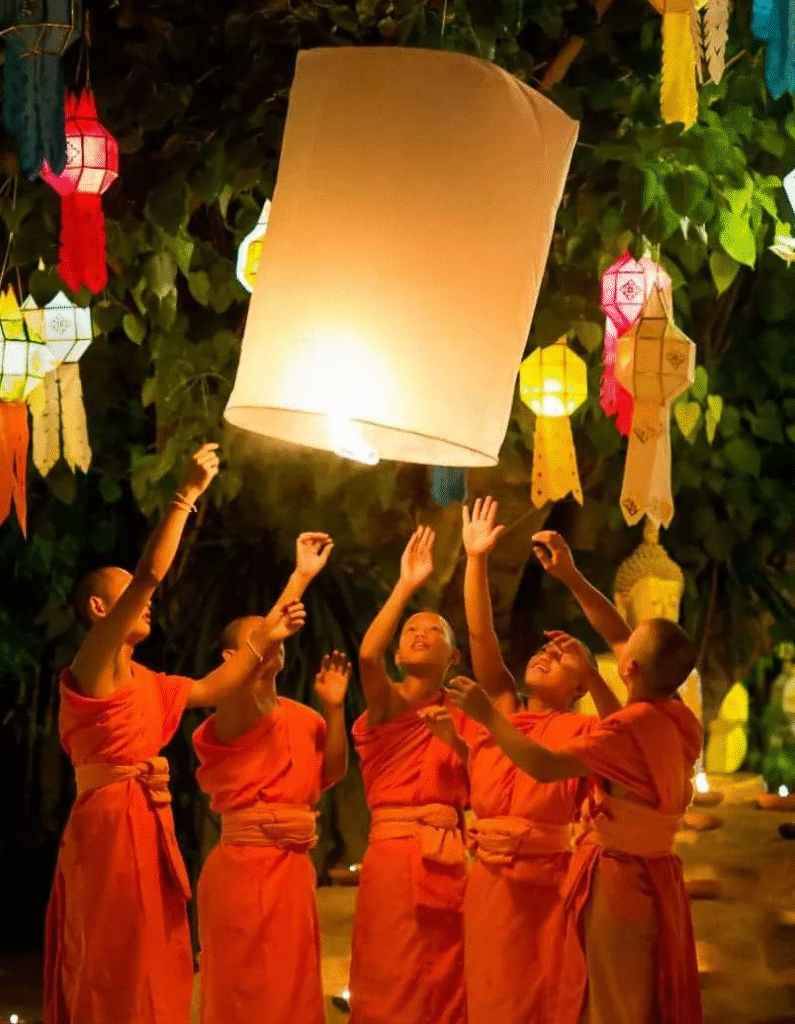
Wishing Lanterns: The Kongming Lantern (Sky Lantern) represents this tradition best. People write wishes on the lanterns and release them into the night sky, actively praying for their dreams to come true.
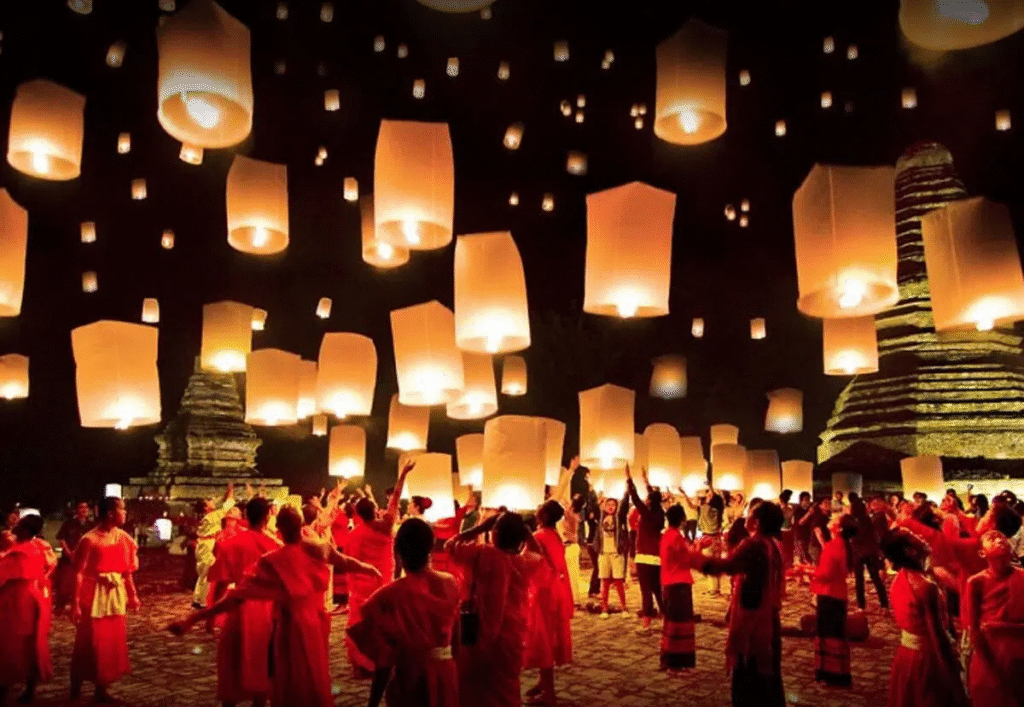
Kongming Lantern acts as a miniature hot-air balloon, made of waxed paper and using a candle as its fire source. It rises several hundred meters into the air, the candle burns for about ten minutes, and then the lantern gently drifts back to the ground. You can buy one for less than USD 3 apiece today.
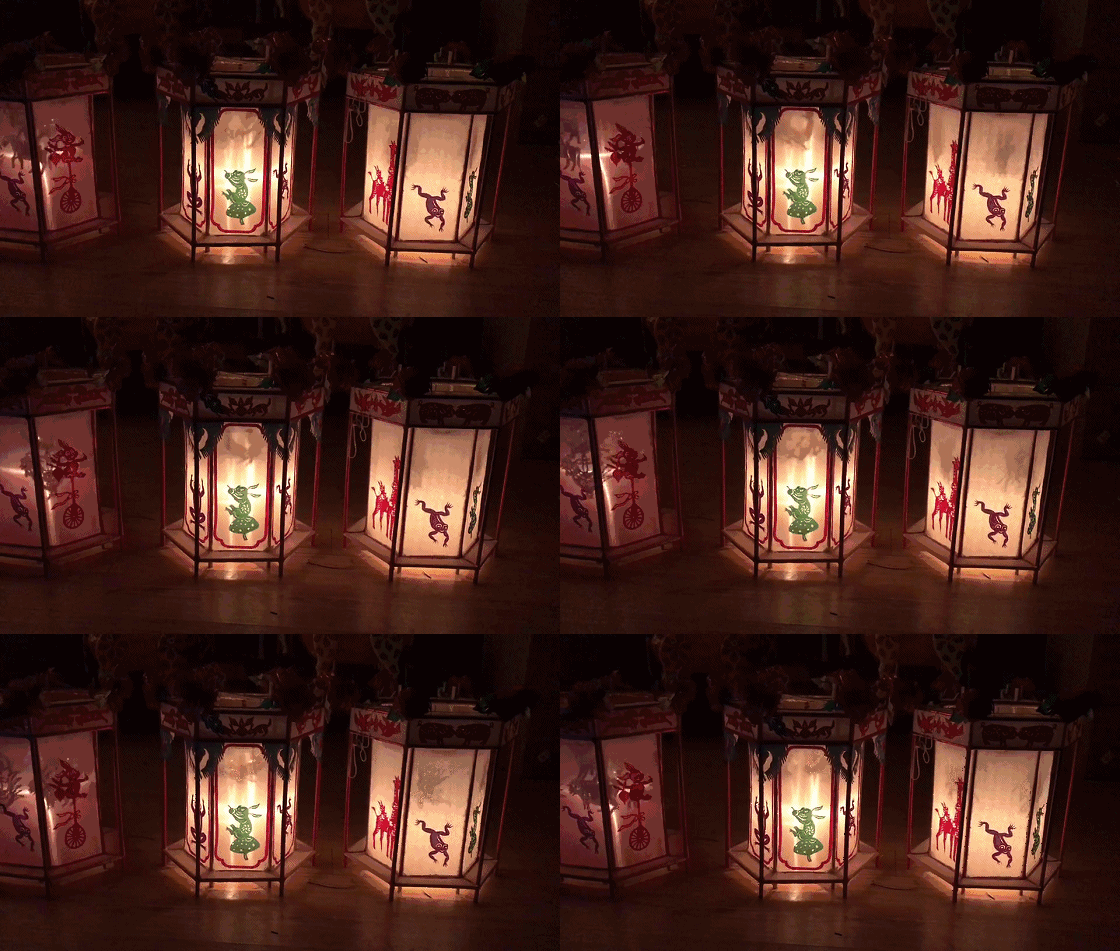
Rotating Horse Lantern (Zou Ma Deng)
Artisans handcraft the Rotating Horse Lantern, a traditional Chinese lantern that rotates when the heat from a lit candle drives its axle. The painted patterns appear to come alive as they spin. People commonly display these lanterns during the Lantern Festival to symbolize joy and good fortune. Many of these lanterns showcase creative, gorgeous, and luxurious designs.
Mid-Autumn Festival Lantern Parades: Traditions and Childhood Memories
On Mid-Autumn Festival night, lantern parades are a time-honoured folk tradition. Children hold adorable rabbit and lotus lanterns, while adults carry delicate palace lanterns. The lights merge into a winding dragon, illuminating the streets. Amidst laughter and joy, people stroll, admire the moon, and pray for brightness and peace. These flowing lights not only reflect the joy of reunion but also continue the millennia-old romantic longing for a better life.
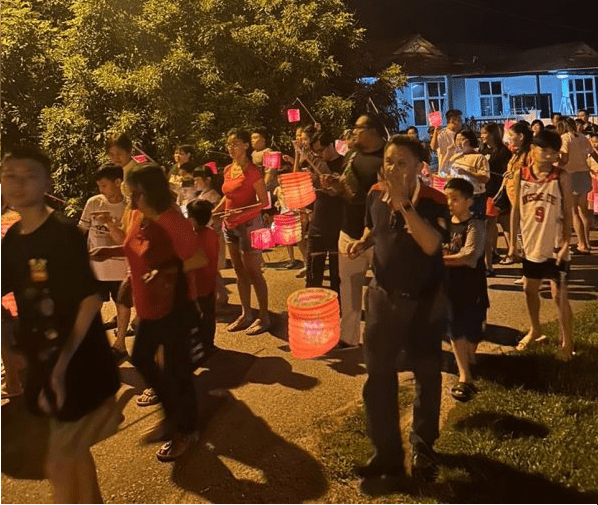
You don’t need a grand parade to enjoy the festivities—several kids can easily group up and parade around the neighbourhood, singing nursery rhymes creating a joyful, festive atmosphere. Have you seen one before?
Fun and Simple DIY Lanterns for Mid-Autumn Festival Celebration
As young kids, we create our own lanterns for the Mid-Autumn Festival. The Chinese schools has held a lantern competition since my school days 50 years ago, and it continues even now.
We bend the steel wire to form the outline of an object, usually a simple rabbit, in tribute to the “Yutu”. Then we stick transparent, colourful lantern paper onto the wire, create a candle holder, and lift the lantern with a bamboo stick. Other popular shapes include chicks and goldfish.
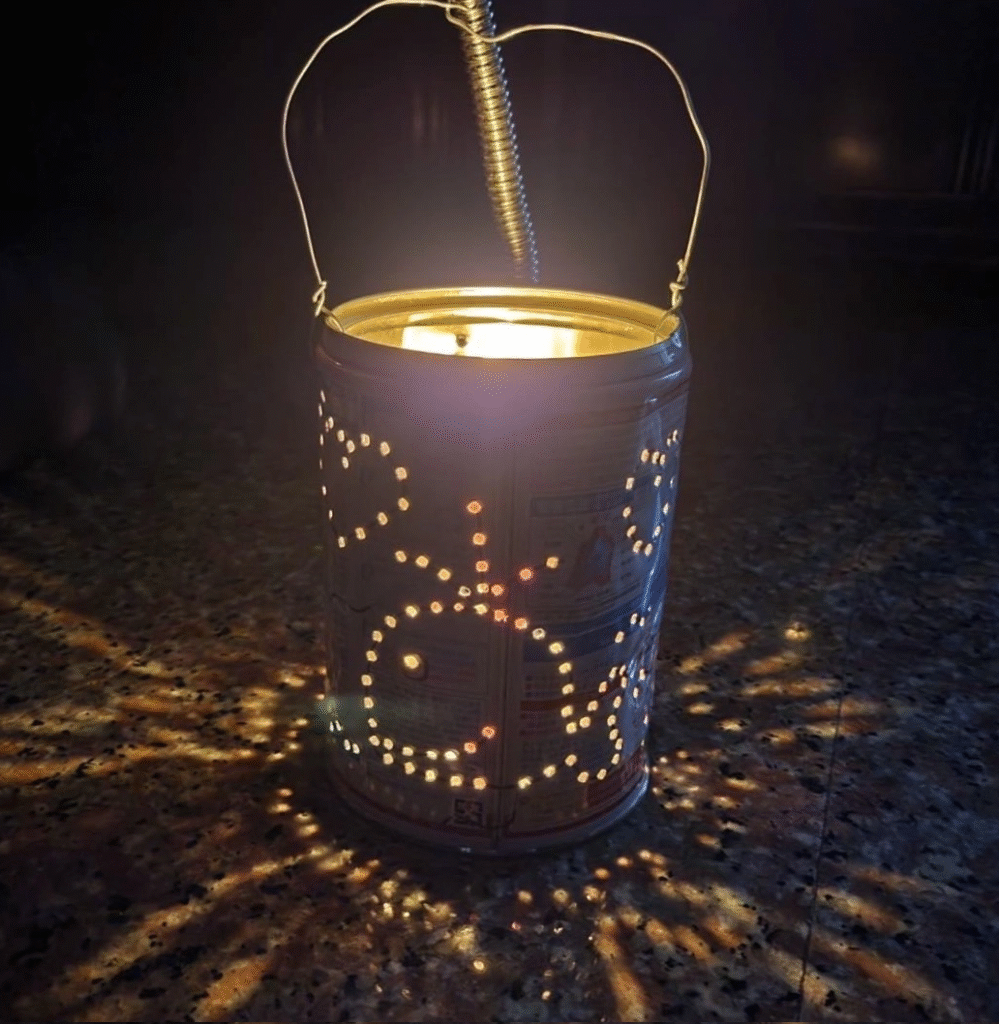
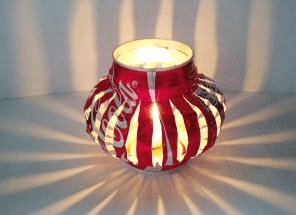
However, as kids, we preferred to make simpler and more durable lanterns. We punched many nail holes in a metal container, placed a candle inside, and lifted it with a wire and bamboo stick. Sometimes we cut a drink can and compress it into a pumpkin-shaped steel lantern. Sadly, we rarely see these nowadays.
How I Celebrate the Mid-Autumn Festival
Overall, we now prepare for and celebrate the festival in a much simpler manner than we did during our childhood. Still, we preserve the celebration’s core value: bringing the family together for a joyful reunion.
Our family prepares traditional festival dishes for worship, then gathers to enjoy the meal while admiring the luminous moon. The children’s light candles, parade gleefully with their lanterns around the neighbourhood, and revel in the festive spirit.
I hope the future generations will embrace and continue this cherished tradition, keeping its spirit alive for years to come.