QingMing Festival in 2026
On April 5th, 2026, people across China observed the QingMing Festival. This day marks an important solar term and provides millions of Chinese Han people an opportunity to mourn, trace their roots, and honor their ancestors.
In our modern world, we pause once more to remember those who came before us and reflect on the ongoing cycle and legacy of life.
The mystery of the definition, origin, and date of QingMing Festival
QingMing Festival, also known as Tomb-Sweeping Day or Ancestor Worship Day, is one of the most important traditional Chinese festivals.
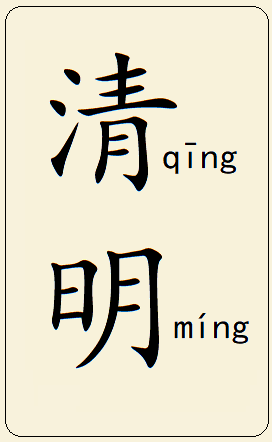
Every early April, warm weather and increased rainfall refresh and brighten nature, giving the festival its name “QingMing” (clear and bright). Farmers originally used this solar term as a seasonal signal for their work.
It always falls on April 4th or 5th of the Gregorian calendar because it’s the only one of the twenty-four solar terms that is both a solar term and a festival. The division of solar terms is based on the Earth’s orbital position around the sun (ecliptic longitude). When the sun reaches 15 degrees of ecliptic longitude, it is QingMing. Because the Gregorian calendar (solar calendar) reflects the Earth’s revolution cycle, the date of QingMing in the Gregorian calendar is relatively fixed, with only minor adjustments in leap years.
The ancient Cold Food Festival, held one or two days before QingMing, honored Jie Zitui, a loyal minister from the Spring and Autumn Period. People ate only cold food to remember him. Later, ancestor worship from Cold Food Festival merged with QingMing. The Tang Dynasty made tomb sweeping on QingMing an official holiday. Over time, people combined ancestor worship, spring outings, and the season into one festival: QingMing.
Thus, people transformed QingMing from a sign of natural beauty into a festival linked with ancestor worship. Over time, they turned it from a simple seasonal marker into a festival for spring outings and grave visits.
Popularizing Filial Piety Through Festival
QingMing Festival centers on filial piety, a core value of Chinese culture and the foundation of personal character that we talked about in the previous article. The festival brings this principle to life through rituals like remembering the deceased and honoring ancestors. People repair graves and burn incense to show gratitude and respect, while these acts also reinforce family bonds.
This search for roots has kept QingMing Festival alive for thousands of years. From imperial ceremonies to family grave-sweeping, the festival has evolved from a ritual sacrifice into a collective national memory. It expresses personal feelings and repairs social morality, passing down respect for elders through generations and uniting Chinese people worldwide with a shared spiritual heritage.
QingMing Celebration Methods and Folk Customs
QingMing Festival customs fall into two main categories: ancestor worship and recreational activities.
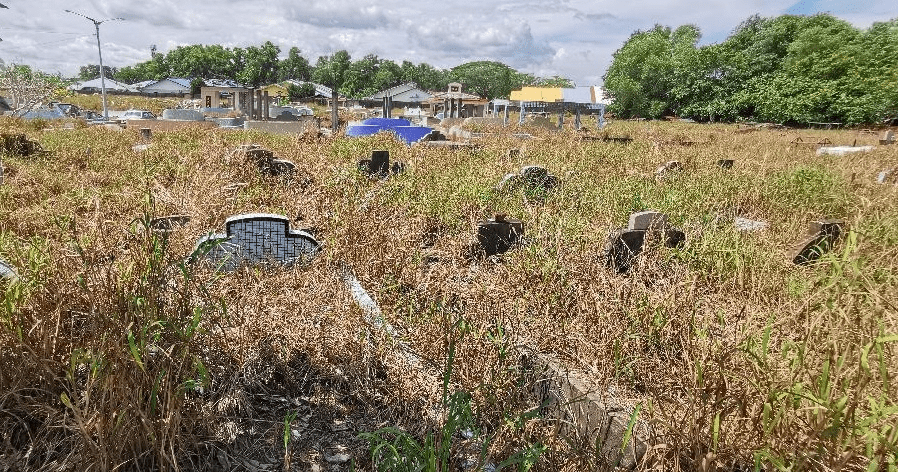
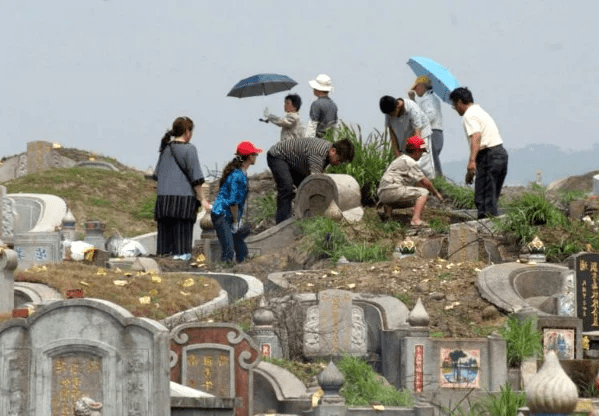
Tomb sweeping and ancestor worship are the main customs. People clear weeds, add soil, place offerings, and burn paper money to honor the deceased.
Spring outings, another ancient tradition, bring people close to nature in this vibrant season. People insert and wear willow branches to ward off evil and seek blessings. A saying goes, “If you don’t wear willow on QingMing, your youthful beauty will fade into old age.”
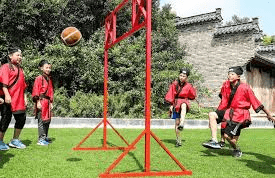
People also enjoy swinging, playing cuju (ancient Chinese football), and flying kites. In the past, people wrote their bad luck on kites and cut the string, letting illness and misfortune drift away with the wind. These activities bring vitality and joy to the otherwise somber festival.
The Custom of Burning Paper Money and Items for Ancestor Worship
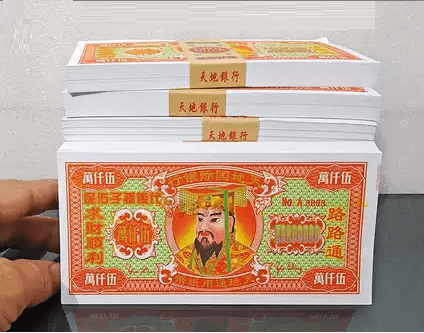
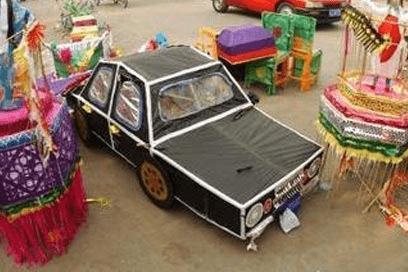
Chinese families sweep tombs and pay respects to their ancestors as an important ritual that preserves the memory of their loved ones and passes on filial piety. At the tomb, they clear weeds, add fresh soil, and burn paper money, paper villas, cars, or gold and silver ingots—making these acts the core of the custom.
This practice originates from the ancient Chinese concept of “serving the dead as if they were alive.” People believed that by transforming these items through fire, they could send them to the “other world” for ancestors to enjoy, ensuring their well-being in the afterlife. The wisps of smoke express the descendants’ deep sorrow for the deceased and carry their beautiful wish for ancestral protection and family prosperity.
Although modern times advocate civilized worship, many families continue to exchange “material” items across time and space as a unique way to maintain emotional bonds and find solace.

QingMing Festival Customs Around the World
As Chinese people migrate overseas, they bring the QingMing Festival with them, spreading it worldwide.
In Southeast Asian countries such as Singapore and Malaysia, local Chinese communities call tomb sweeping during QingMing “Baishan” and treat it as their most important annual event, filling cemeteries with people.
In South Korea, people hold a similar festival called the “Hanshi Festival,” when they repair tombs, offer sacrifices, and eat cold food. In Vietnam, people eat “tangyuan” (glutinous rice balls) and “fuyuanzi” (floating rice balls) during Qingming.
In Chinatowns across Europe and America, Chinese communities celebrate QingMing with clan gatherings. Even without mountains to worship, they honor their cultural roots by worshipping ancestral tablets.
The QingMing Festival in Modern Society
In modern urban life, subtle changes are reshaping the QingMing Festival. Scarce cemetery resources and heightened environmental awareness have sparked a new trend: online memorial services. People now offer virtual flowers in front of their screens.
Furthermore, people now embrace civilized memorial practices instead of burning paper money, and young people increasingly accept flower offerings and tree planting.
The QingMing holiday also encourages people to escape the city’s hustle and bustle and reconnect with rural life. While the forms change, the theme of “remembrance” endures. In modern society, the QingMing Festival provides greater psychological comfort and a slower pace of life, prompting busy urban dwellers to pause and reflect on the meaning of life.
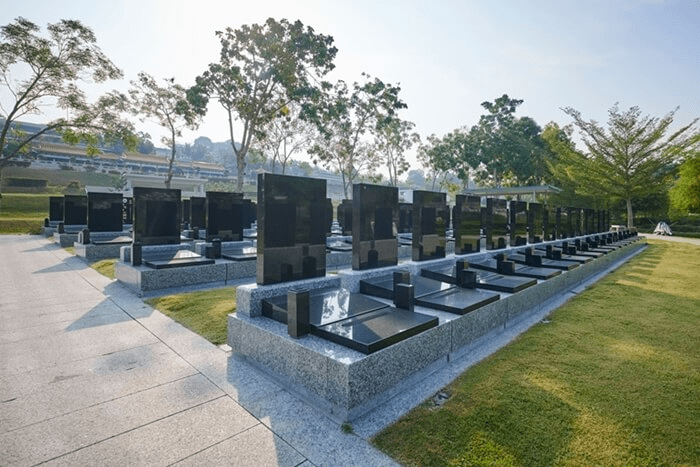
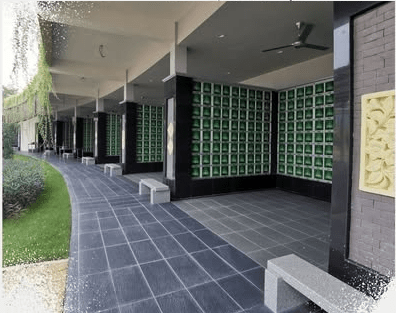
Private enterprises now operate modern cemeteries that feature eco-friendly designs and require less effort to maintain, such as easier weed clearing and cleaning. Columbariums also provide a modern option, though some seniors, who traditionally prefer full-body burial, may not accept them.
Ancestor Worshiping Custom and Me
I began tomb-sweeping at age seven, following my parents, uncle, and aunt. As they grew older, my siblings and I took over their duties. Now, in our fifties, my generation brings along our children, who take on the hard work of clearing weeds, cleaning, and carrying heavy goods uphill.
I will continue to attend the ceremony in person for as long as possible, ensuring we pass down our traditional culture and values to the next generation.
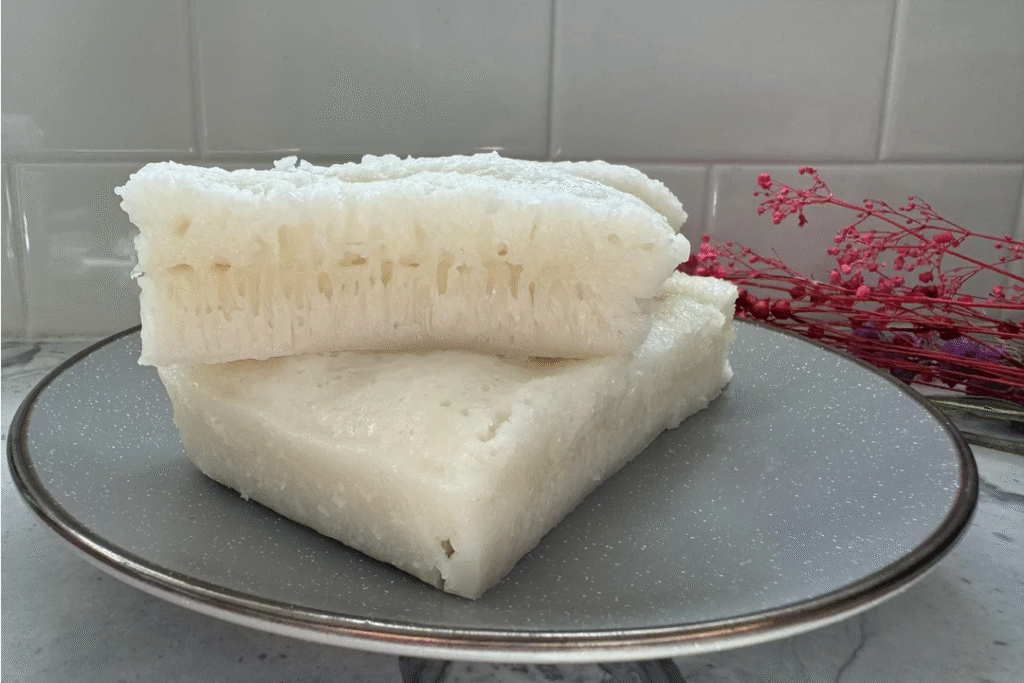
I always prepare my great-grandmother’s favorite food, steamed white sugar cake (白糖糕), for the occasion. Sometimes I seek out this simple treat, as its taste reminds me of her humble and down-to-earth way of living.
Sometimes I wonder how we can pass on this tradition in a way that remains practical and sustainable for the next generation. You see, after my generation passes, they will be responsible for honoring four generations before them, which seems like an overwhelming number of tombs to maintain.
Moving forward, we may need to adapt by using a columbarium to reduce the burden on the next generation, although my parents might not prefer this change. Fortunately, our generation does not need to make this decision urgently, as it does not feel time-critical at the moment, not yet.
The Future of QingMing Festival
As we look to the future, the QingMing Festival is poised to become increasingly green and digital. Innovations such as metaverse rituals and the preservation of genetic archives may soon become realities, enabling memories to endure in unprecedented ways.
Nevertheless, regardless of technological advancements, the QingMing Festival will remain a vital cultural symbol representing the “roots” of the Chinese Han. It will continue to serve as an emotional bond, bridging the past and the future, and inspiring future generations to honor their origins while looking toward new horizons.
Conclusion of the Qing Ming Festival
QingMing Festival stirs mixed emotions. It evokes both the sorrow and solemnity of “the rain falls in torrents on Qingming Day” and the vitality and liveliness of “taking advantage of the east wind to fly kites.”
By worshipping ancestors, we affirm our place in family and history; by embracing nature, we connect ourselves with the land. This is a baptism of life education, reminding us: the deceased are gone, and we who live should embrace life as passionately and clearly as the spring colors.
We studied Du Mu’s poem “QingMing” in school and grasped its basic meaning, but only now, in my fifties, I do truly feel its emotion and essence.
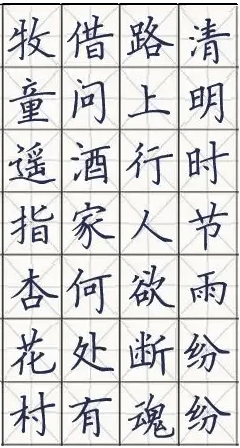
清明时节雨纷纷,路上行人欲断魂。
借问酒家何处有?牧童遥指杏花村。